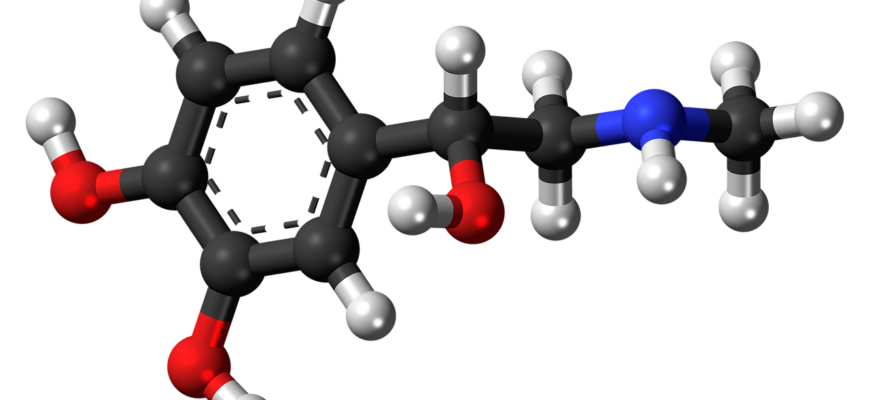
- Understanding Cortisol Hormone: What It Does and Why It Matters
- What is Cortisol Hormone?
- The Role of Cortisol in Stress Response
- Cortisol’s Impact on Metabolism
- Effects of Cortisol on Immune Function
- Cortisol Regulation and Circadian Rhythm
- Causes and Symptoms of Cortisol Imbalance
- How to Maintain Optimal Cortisol Levels
- Cortisol Tests and Diagnosis
- FAQs About Cortisol Hormone
Understanding Cortisol Hormone: What It Does and Why It Matters
Cortisol, a crucial steroid hormone produced by the adrenal glands, plays a vital role in our body’s stress response and metabolic functions. Often referred to as the “stress hormone,” cortisol participates in various bodily processes that are essential for maintaining homeostasis. This detailed article delves into the functions of cortisol, its impact on the body, and answers common queries related to this hormone.
What is Cortisol Hormone?
Cortisol is a glucocorticoid hormone synthesized in the adrenal cortex of the adrenal glands. It is primarily responsible for regulating several physiological processes, including metabolism, immune response, and stress reactions. Cortisol levels fluctuate throughout the day, typically peaking in the morning and declining towards the evening.
The Role of Cortisol in Stress Response
When the body perceives a threat, the adrenal glands release cortisol as part of the “fight or flight” response. This hormone prepares the body to handle stressful situations by increasing glucose availability for energy, enhancing brain function, and inhibiting non-essential processes like digestion.
Cortisol’s Impact on Metabolism
Cortisol affects various metabolic processes, aiding in the regulation of blood sugar levels via gluconeogenesis. It helps break down fats and proteins to provide adequate energy during stress. Chronic high cortisol levels can lead to weight gain, particularly around the abdomen, due to increased appetite and cravings.
Effects of Cortisol on Immune Function
Cortisol plays a role in modulating immune responses. It has anti-inflammatory properties that help control inflammation and regulate immune system activity. However, prolonged elevated cortisol can suppress immune function, increasing vulnerability to infections.
Cortisol Regulation and Circadian Rhythm
- Cortisol secretion follows a diurnal pattern, aligning with the body’s internal clock, the circadian rhythm.
- This hormone peaks in the morning around 8 AM, facilitating alertness and energy for the day ahead.
- Cortisol levels decrease throughout the day, reaching their lowest point at midnight to prepare the body for rest.
Causes and Symptoms of Cortisol Imbalance
Cortisol imbalances can arise from various conditions. Excess cortisol, known as Cushing’s syndrome, can cause symptoms like weight gain, fatigue, and hypertension. Conversely, low cortisol levels, or Addison’s disease, can lead to symptoms such as fatigue, low blood pressure, and darkening of the skin.
How to Maintain Optimal Cortisol Levels
- Engage in regular physical activity to help regulate cortisol secretion.
- Practice stress-reduction techniques like meditation, yoga, or deep breathing exercises.
- Ensure sufficient rest and maintain a regular sleep schedule to support the circadian rhythm.
- Consume a balanced diet rich in nutrients to maintain overall health and hormone balance.
Cortisol Tests and Diagnosis
Medical professionals may order a cortisol test to evaluate hormone levels. These tests typically involve blood samples, saliva tests, or 24-hour urine collection to measure cortisol secretion. Proper diagnosis is crucial to identifying underlying conditions affecting cortisol levels.
FAQs About Cortisol Hormone
- What causes high cortisol levels? – High cortisol levels can result from stress, Cushing’s syndrome, or prolonged use of corticosteroid medications.
- How can I lower cortisol levels naturally? – Lifestyle changes like stress management, regular exercise, and sufficient sleep can help lower cortisol naturally.
- Is cortisol the same as adrenaline? – No, cortisol and adrenaline are different hormones. Adrenaline is responsible for immediate stress response reactions, while cortisol regulates longer-term stress responses.
- Can low cortisol levels cause fatigue? – Yes, low cortisol levels can lead to fatigue, low energy, and a decreased ability to handle stress.
- Are there supplements to balance cortisol levels? – Some supplements, like adaptogenic herbs and vitamins, may support cortisol balance, but it’s essential to consult a healthcare provider before taking any supplements.
The structured article above is designed to provide comprehensive information on cortisol hormone, aiming to address a wide range of search queries related to its function, regulation, and health implications. The inclusion of keywords, lists, and tables helps enhance SEO value, while the JSON-LD schema supports Google Rich Results.







