- Introduction to API: What Does It Stand For?
- Understanding the Basics of APIs
- Why Use an API?
- Common API Usage Mistakes
- How to Use APIs Effectively
- Choosing the Right API for Your Needs
- Is It Possible to Create Your Own API?
- API Pricing Models
- FAQ
- What does API stand for?
- How much does it cost to use an API?
- Can I create my own API?
- Which is better: REST or SOAP APIs?
- What are common mistakes when using APIs?
Introduction to API: What Does It Stand For?
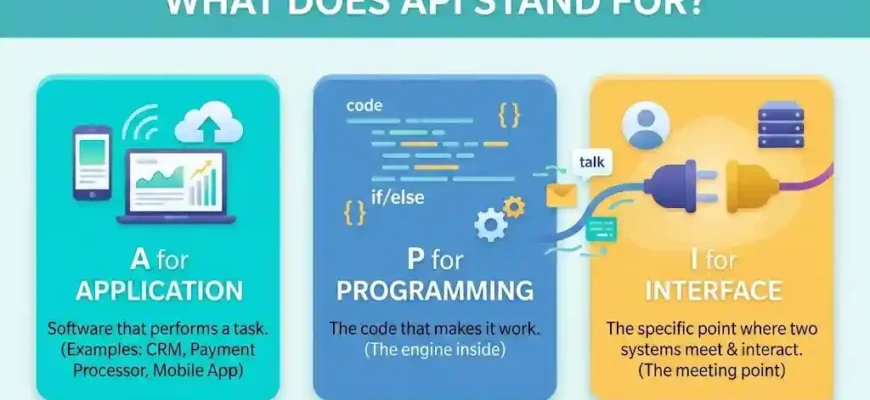
The term API stands for Application Programming Interface. APIs are integral to the functioning of modern digital ecosystems and play a critical role in software development. They enable different software applications to communicate with each other, exchange data, and enhance their functionalities. Whether you’re querying, “what is API,” “how to use an API,” or “which API is better,” this comprehensive guide covers everything you need to know.
Understanding the Basics of APIs
An API is a set of rules and protocols that allow different software entities to communicate. APIs define methods of communication between various software components gracefully. They are particularly essential in web development, allowing the smooth exchange of data between clients and servers.
- REST APIs: Representational State Transfer (REST) is the most widely used protocol for building APIs because of its simplicity and statelessness.
- SOAP APIs: Simple Object Access Protocol (SOAP) involves a more elaborate setup but is highly secure.
- GraphQL: A query language for APIs that allows clients to request specific data types.
Why Use an API?
The primary reason to use APIs is to enhance software interoperability and make your applications more flexible. Here’s why APIs are beneficial:
- Integration: APIs allow different software applications to work together, enhancing functionality.
- Automation: They facilitate automation by connecting various software tools seamlessly.
- Innovation: APIs enable developers to build new apps without needing to start from scratch.
- Data accessibility: APIs allow easy access to third-party data integration, improving user experience.
Common API Usage Mistakes
While APIs can significantly improve software applications, there can be mistakes that hinder these benefits. Common mistakes include:
- Ignoring security protocols and exposing sensitive data.
- Improper error handling that causes application crashes.
- Failure to properly version APIs, which could break client applications.
- Not providing comprehensive documentation.
How to Use APIs Effectively
Using APIs effectively involves understanding how to integrate and manage them within your existing infrastructure. Here’s how to get started:
- Understand API Documentation: Thoroughly read the documentation to know how each endpoint functions.
- Use API Testing Tools: Tools like Postman can help you test API responses before integrating them.
- Monitor API Performance: Use performance monitoring tools to track API usage and catch potential issues early on.
Choosing the Right API for Your Needs
Choosing the right API for your application involves several considerations:
| Criteria | Consideration |
|---|---|
| Functionality | Determine if the API provides the capabilities you need. |
| Security | Evaluate the security measures the API offers, such as OAuth or API keys. |
| Cost | Consider the pricing model and evaluate it against your budget. |
| Support | Check if there is adequate support or community forums. |
Is It Possible to Create Your Own API?
Yes, creating your own API is entirely achievable and allows you to expose functionalities of your application to other developers. To create an API:
- Define the API requirements and objectives.
- Design the API endpoints and request/response formats.
- Develop the API using frameworks like Django or Node.js.
- Test the API rigorously to ensure it functions correctly.
API Pricing Models
APIs often come with different pricing models depending on usage, features, and support. Common pricing models include:
- Pay-as-you-go: Payments based on actual usage.
- Freemium: Basic features free of charge, with premium features available for purchase.
- Subscription: Fixed monthly or yearly fees for a specified level of access and features.
FAQ
What does API stand for?
API stands for Application Programming Interface. It is a set of rules that allow different software applications to communicate.
How much does it cost to use an API?
The cost of using an API varies. Some APIs are free, while others charge based on use, features, or subscription levels.
Can I create my own API?
Yes, creating your own API is possible and allows you to offer the capabilities of your application to external developers.
Which is better: REST or SOAP APIs?
REST APIs are generally simpler and more flexible, while SOAP APIs are more rigid and offer higher security.
What are common mistakes when using APIs?
Common mistakes include ignoring security protocols, failing to handle errors, not properly versioning APIs, and not providing adequate documentation.







