- How Does an AC Unit Work: Comprehensive Guide
- What Is an AC Unit?
- Key Components of an AC Unit
- How the Cooling Cycle Works
- Different Types of AC Units
- Common Mistakes to Avoid
- How to Choose the Right AC Unit
- AC Unit Maintenance Tips
- Price and Cost Considerations
- Is It Possible to Install an AC Unit by Yourself?
- FAQ
How Does an AC Unit Work: Comprehensive Guide
An air conditioning (AC) unit is an essential appliance for maintaining comfort in homes and offices, especially during the hot summer months. Understanding how an AC unit works can help you maintain it better and choose the right unit for your needs. This guide will delve deep into the inner workings of AC units, the various types available, common mistakes to avoid, and tips for maintenance.
What Is an AC Unit?
An air conditioning unit is a system that cools down the air inside a space by removing heat and humidity. This process involves several key components and subsystems working in harmony. AC units come in various types and sizes, ranging from portable units to central air systems, depending on the cooling needs of a particular space.
Key Components of an AC Unit
- Compressor: The compressor is the heart of the AC unit. It pumps refrigerant throughout the system, converting it from gas to liquid and back, enabling heat exchange.
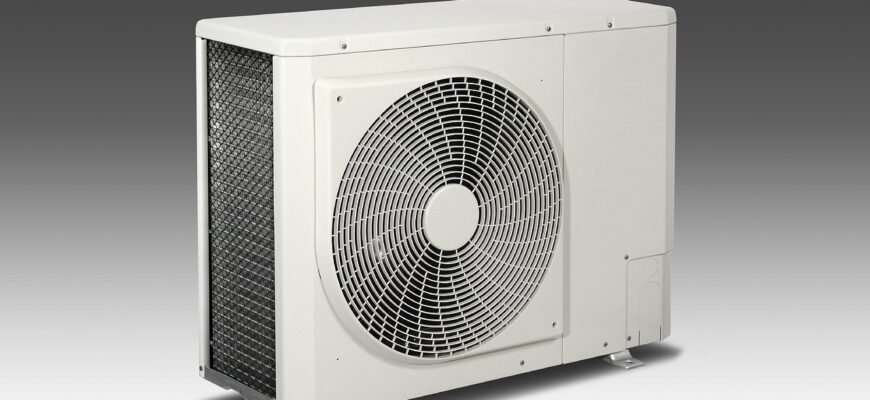
- Condenser Coil: Located in the outdoor unit, the condenser coil releases absorbed heat from the refrigerant to the outside air.
- Evaporator Coil: This component absorbs heat from the inside air. The refrigerant inside the coil evaporates, pulling heat away from the air in the process.
- Expansion Valve: This valve reduces the pressure of the refrigerant before it enters the evaporator coil, allowing it to cool further and absorb more heat.
- Fan: Fans in AC units circulate air over the evaporator and condenser coils to facilitate rapid cooling and heat dissipation.
How the Cooling Cycle Works
The cooling cycle of an AC unit involves a series of transformations of the refrigerant that enable heat exchange. Here’s a breakdown of the cycle:
- The refrigerant starts in the compressor where it is compressed into a high-pressure, high-temperature gas.
- This gas flows to the condenser coil, where it releases heat and turns into a high-pressure liquid.
- The liquid refrigerant then passes through the expansion valve, where it loses pressure and becomes a low-temperature liquid.
- In the evaporator coil, the refrigerant absorbs heat from the indoor air, evaporating back into a gas.
- The cycle repeats as the refrigerant returns to the compressor.
Different Types of AC Units
| Type | Features | Suitability |
|---|---|---|
| Central Air Conditioning | Provides whole-house cooling through a network of ducts. | Best for large homes with existing ductwork. |
| Split-Type Air Conditioning | Consists of an indoor and an outdoor unit without ductwork. | Ideal for cooling individual rooms or small spaces. |
| Window Units | Compact and installed on windows or walls. | Suitable for cooling small rooms or apartments. |
| Portable Air Conditioners | Mobile units that can be moved from room to room. | Great for temporary or supplemental cooling. |
Common Mistakes to Avoid
- Incorrect Sizing: Using an AC unit that is too large or too small can lead to inefficiencies and increased energy consumption.
- Neglecting Maintenance: Regular maintenance, such as replacing filters and cleaning coils, is crucial for optimal performance.
- Poor Thermostat Positioning: Placing the thermostat near heat sources can lead to inaccurate temperature readings.
How to Choose the Right AC Unit
Selecting the right AC unit depends on various factors, including room size, budget, energy efficiency, and specific cooling needs. Here are some considerations:
- Calculate the BTU (British Thermal Unit) requirements based on room size to ensure adequate cooling.
- Check the unit’s SEER (Seasonal Energy Efficiency Ratio) rating for energy efficiency.
- Consider features such as programmability, smart integration, and noise levels.
AC Unit Maintenance Tips
- Regular Filter Replacement: Clean or replace the filters every 1-3 months to ensure proper airflow.
- Clean the Coils: Evaporator and condenser coils collect dirt over time, affecting heat absorption.
- Check the Thermostat Settings: Ensure the thermostat is working correctly and set to the desired temperature.
- Inspect the Wiring and Components: Check for wear and tear, which could indicate potential issues.
Price and Cost Considerations
The cost of an AC unit can vary widely based on its type, capacity, and features. It’s essential to budget for not just the initial purchase but also long-term operating costs, including energy consumption and regular maintenance.
Is It Possible to Install an AC Unit by Yourself?
While it is possible to install window or portable AC units yourself, professional installation is recommended for split and central systems to ensure proper setup and avoid potential issues.
FAQ
- How often should I service my AC unit?
- It’s recommended to service your AC unit at least once a year to maintain efficiency and prevent breakdowns.
- Which AC unit is best for a small room?
- A window unit or a portable air conditioner is typically sufficient for small rooms.
- Can I run my AC all day?
- Yes, but it’s more efficient to use a programmable thermostat to adjust the temperature when you’re not home.
- What is the most energy-efficient AC unit?
- Split-type systems and central air conditioning units with high SEER ratings are among the most energy-efficient options.
- What size AC unit do I need?
- The size depends on your room’s square footage—a BTU calculator can help determine the right size for your needs.







