- Alcohol: What Does It Do to Your Body?
- Understanding Alcohol: What Is It and How Does It Work?
- How Does Alcohol Affect the Brain?
- The Impact of Alcohol on the Liver
- Effects of Alcohol on the Heart
- Alcohol’s Influence on the Digestive System
- How Alcohol Affects the Immune System
- The Relationship Between Alcohol and Mental Health
- Social and Behavioral Impacts of Alcohol Consumption
- Tips for Responsible Alcohol Consumption
- Is It Possible to Quit or Cut Back on Alcohol?
- Alcohol Prices and Understanding Cost Implications
- Common Mistakes to Avoid with Alcohol Consumption
- FAQs about Alcohol and Its Effects on the Body
- What are the short-term effects of alcohol?
- Can alcohol cause long-term health issues?
- Is moderate drinking safe?
- How can one reduce alcohol consumption?
- Does alcohol affect everyone the same way?
Alcohol: What Does It Do to Your Body?
Alcohol is a common part of social gatherings and celebrations, but it’s crucial to understand how it impacts your body. While moderate consumption might be safe for some individuals, excessive intake can lead to numerous health issues. This comprehensive guide delves into the effects of alcohol on your body, addressing common queries and providing precise insights.
Understanding Alcohol: What Is It and How Does It Work?
Alcohol, primarily ethanol, is a psychoactive substance found in beverages like beer, wine, and spirits. Once consumed, it is absorbed into the bloodstream, affecting various body systems. Experts consider alcohol both a depressant and a stimulant, capable of altering mood, behavior, and cognitive functions.
How Does Alcohol Affect the Brain?
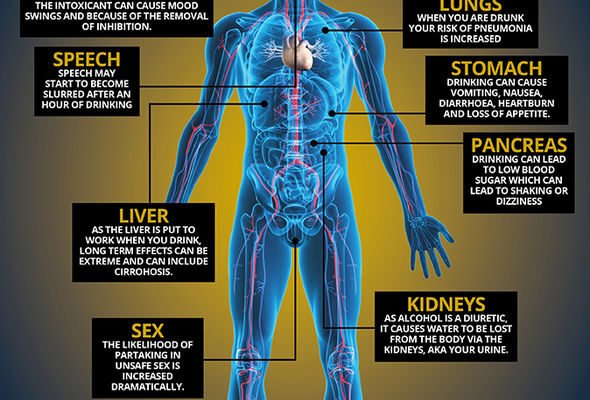
Alcohol’s immediate impact is most noticeable on the brain. It impairs the communication between neurons, leading to diminished cognitive functions such as memory, concentration, and coordination. Prolonged heavy drinking can result in permanent damage to brain structure and function, increasing the risk of mental health disorders.
The Impact of Alcohol on the Liver
The liver is responsible for metabolizing alcohol. Excessive drinking overwhelms this organ, leading to liver diseases such as fatty liver, hepatitis, and cirrhosis. Early intervention is possible, but long-term liver damage can be life-threatening.
Effects of Alcohol on the Heart
The cardiovascular system is also affected by alcohol consumption. While moderate intake might have some protective benefits, excessive consumption can lead to high blood pressure, arrhythmias, cardiomyopathy, and an increased risk of stroke.
Alcohol’s Influence on the Digestive System
Alcohol irritates the stomach lining and increases acid production, which can lead to gastritis, ulcers, and acid reflux. Chronic drinking is also associated with pancreatitis and digestive tract cancers.
How Alcohol Affects the Immune System
Regular or excessive alcohol consumption weakens the immune system, reducing the body’s ability to fend off infections and diseases. This decreased immune function makes individuals more susceptible to conditions ranging from the common cold to severe infections.
The Relationship Between Alcohol and Mental Health
Alcohol is closely linked to mental health disorders such as depression and anxiety. While it might offer temporary relief from stress, habitual use can exacerbate mental health symptoms and lead to dependency.
Social and Behavioral Impacts of Alcohol Consumption
Alcohol can alter behavior, leading to impaired judgment, increased risk-taking, and social problems. It is a contributing factor in many accidents, including road accidents and acts of violence.
Tips for Responsible Alcohol Consumption
- Understand your limits and drink within them.
- Avoid drinking on an empty stomach.
- Stay hydrated by drinking water alongside alcohol.
- Have alcohol-free days to allow your body to recover.
- Seek help if you’re struggling to control your alcohol intake.
Is It Possible to Quit or Cut Back on Alcohol?
Yes, with determination and appropriate support, you can reduce or eliminate alcohol consumption. Many resources, including counseling, support groups, and medical interventions, are available to help individuals overcome alcohol dependency.
Alcohol Prices and Understanding Cost Implications
| Type of Alcohol | Average Price (per liter) |
|---|---|
| Beer | $5 – $10 |
| Wine | $10 – $30 |
| Spirits | $20 – $50 |
While the price of alcohol varies based on region and brand, it’s important to consider the long-term financial impact of regular consumption, especially if leading to health complications.
Common Mistakes to Avoid with Alcohol Consumption
- Drinking to cope with stress or emotional pain.
- Mixing alcohol with medications without consulting a healthcare provider.
- Ignoring early signs of alcohol dependency.
FAQs about Alcohol and Its Effects on the Body
What are the short-term effects of alcohol?
Short-term effects include impaired judgment, reduced inhibitions, coordination issues, and potential memory lapses.
Can alcohol cause long-term health issues?
Yes, chronic alcohol use can lead to liver diseases, cardiovascular problems, mental health disorders, and weakened immune function.
Is moderate drinking safe?
Moderate drinking is generally considered safe for most people, but individuals should be aware of personal health conditions and consult with a healthcare provider.
How can one reduce alcohol consumption?
Set clear goals, seek support from friends or professionals, and replace drinking with healthier activities to reduce alcohol consumption.
Does alcohol affect everyone the same way?
No, reactions to alcohol can vary based on factors like body weight, age, genetic factors, and overall health.







