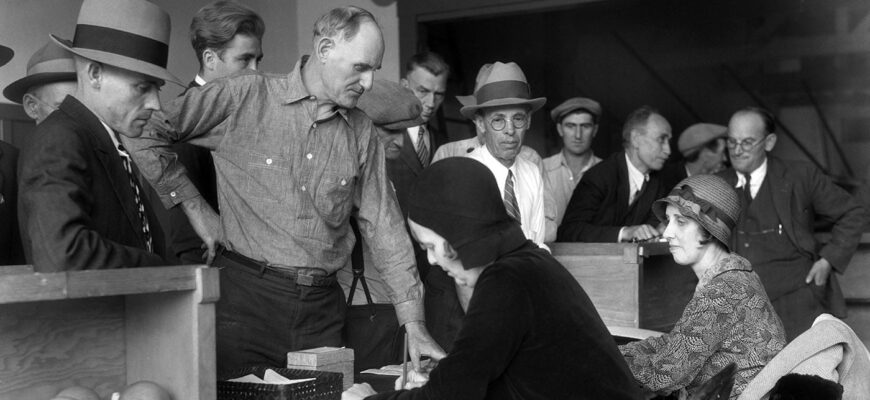
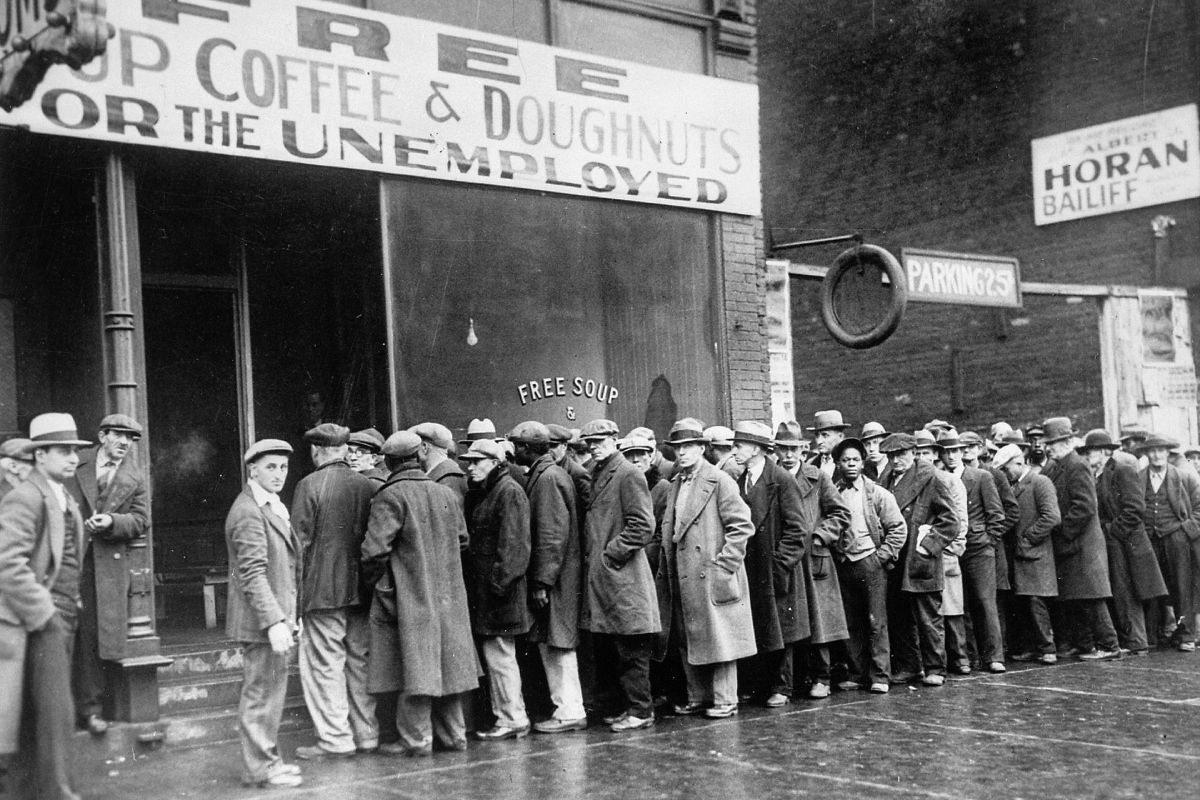
The Depression era refers to the Great Depression, the severe economic downturn that began with the stock market crash in 1929 and lasted until about 1939.
Contents
Timeline
- October 1929: the stock market crash on Black Tuesday, October 29.
- 1933: unemployment in the US reached about 25 percent, and thousands of banks had failed.
- 1933 to 1939: the New Deal under Franklin D. Roosevelt introduced Social Security, bank deposit insurance (FDIC), and public works programs.
- 1939 to 1941: recovery came with World War II production.
Key facts
- US industrial production fell by roughly half between 1929 and 1933.
- Many farmers lost land during the Dust Bowl.
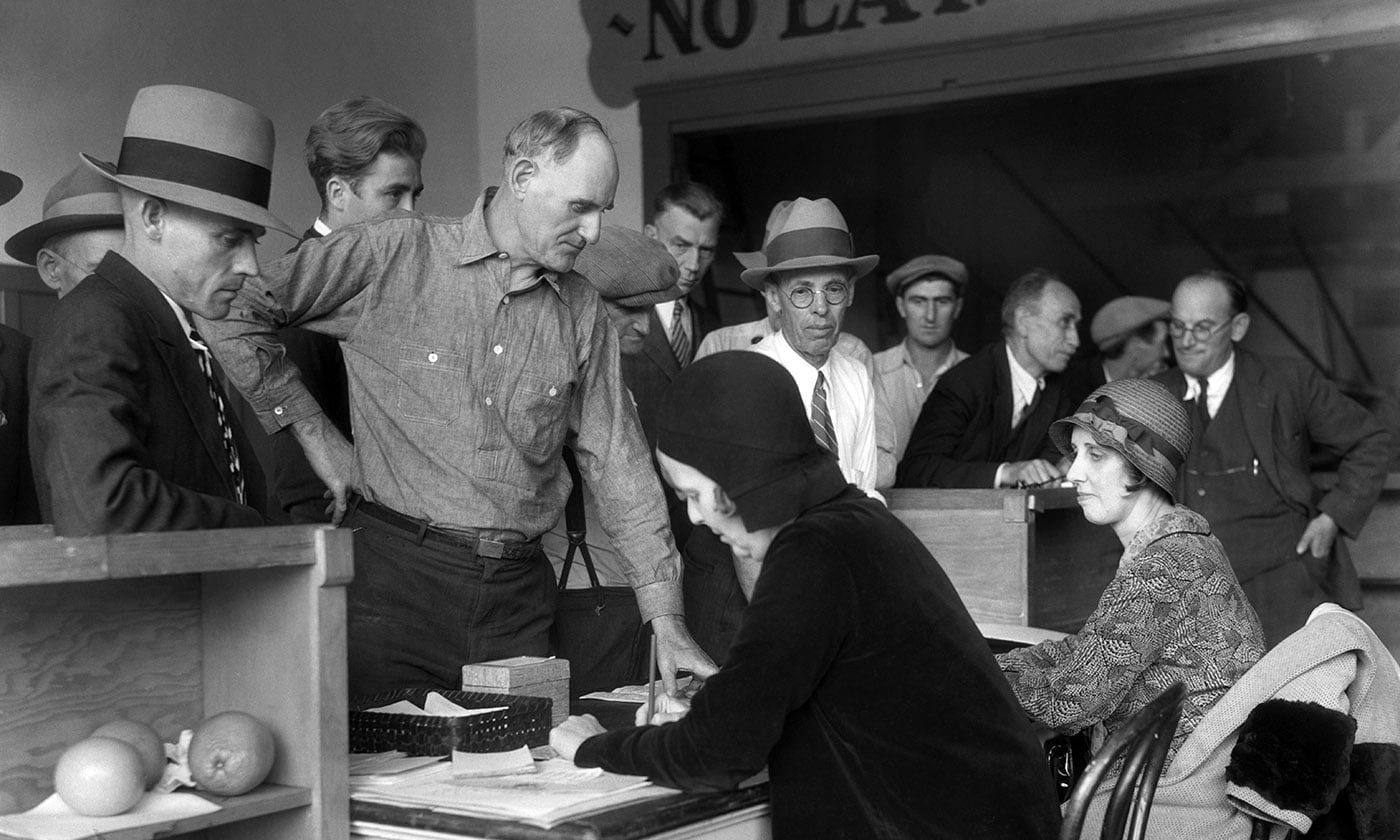

Why it matters
The era shaped modern financial regulation, including the Securities and Exchange Commission and federal deposit insurance.
Based on data from the Federal Reserve History and the U.S. National Archives.