- Understanding Suppressors: How Much Do They Really Cost?
- What is a Suppressor?
- Factors Affecting Suppressor Prices
- Types of Suppressors and Their Costs
- Legal Considerations and Costs
- Common Mistakes When Buying a Suppressor
- Is a Suppressor a Worthy Investment?
- Suppressor Brands: Which is Better?
- FAQ
- How much does a suppressor cost on average?
- Are suppressors legal in my state?
- Can suppressors be used on any firearm?
- What are the benefits of using a suppressor?
- How long is the wait time after purchasing a suppressor?
Understanding Suppressors: How Much Do They Really Cost?
Suppressors, also known as silencers, have gained popularity for their ability to reduce the noise of gunfire. However, one of the most common questions potential buyers have is, “How much are suppressors?” This article will delve into the various factors affecting suppressor prices, providing you with a detailed overview of what to expect when purchasing one. We’ll also explore the legality, effectiveness, types, and common misconceptions surrounding suppressors to ensure you make an informed decision.
What is a Suppressor?
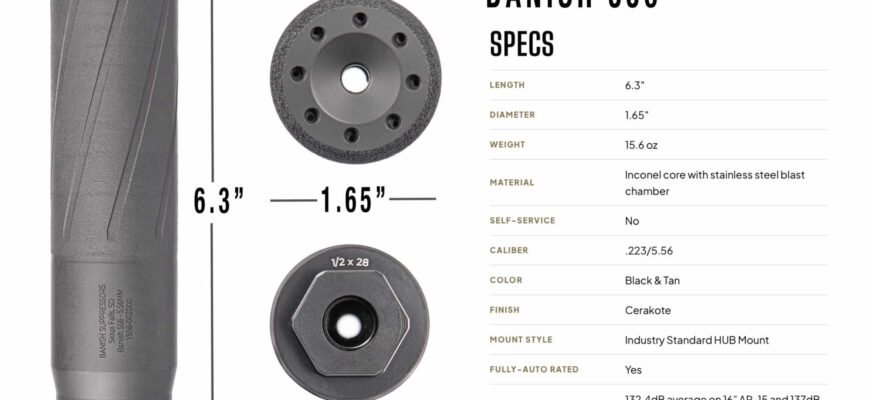
A suppressor, or silencer, is a device attached to the muzzle of a firearm to reduce the noise and visible flash generated during shooting. Contrary to popular belief, suppressors don’t make a gun completely silent; they significantly lower the decibel level to protect the shooter’s hearing and reduce noise pollution.
Factors Affecting Suppressor Prices
The cost of a suppressor can vary widely depending on several factors. Understanding these can help you make a more informed purchase. The main factors include:
- Brand and Manufacturer: Well-known brands tend to charge more due to their established reputation and quality assurance.
- Material and Construction: Suppressors made from high-quality materials like titanium or stainless steel are usually more expensive.
- Type of Suppressor: Prices differ between rimfire, centerfire rifle, and centerfire pistol suppressors.
- Features: Additional features such as quick-detach mechanisms or modular designs can increase the price.
Types of Suppressors and Their Costs
Suppressors are categorized based on the firearms they are designed for. Here’s a breakdown of typical suppressor categories and their average price ranges:
| Type of Suppressor | Average Price Range |
|---|---|
| Rimfire | $200 – $500 |
| Pistol | $400 – $800 |
| Rifle | $500 – $2,000 |
| Shotgun | $600 – $2,500 |
Legal Considerations and Costs
Owning a suppressor in the United States involves navigating federal and state regulations. The National Firearms Act (NFA) requires a $200 tax stamp for purchasing a suppressor, and potential buyers must undergo an extensive background check. Be mindful that state laws vary; some states have greater restrictions or outright bans on suppressors.
Common Mistakes When Buying a Suppressor
Purchasing a suppressor for the first time can be complex. Avoid common mistakes such as not understanding the legal requirements, choosing the wrong type of suppressor for your firearm, or neglecting to consider additional costs like threading and mounting accessories.
Is a Suppressor a Worthy Investment?
The decision to buy a suppressor depends on various factors, such as the intended use and budget constraints. They are beneficial for hunters, sports shooters, and home defense situations, as they provide noise reduction and enhance shooting accuracy by reducing recoil.
Suppressor Brands: Which is Better?
There are several notable suppressor brands on the market today, including SilencerCo, Dead Air, and SureFire. Each brand offers a unique range of products catering to different needs and budgets. It’s essential to research and compare based on customer reviews, expert opinions, and product warranties.
FAQ
How much does a suppressor cost on average?
The average cost of a suppressor ranges from $200 to $2,500, depending on the type and features. Additional costs include a $200 tax stamp and potential fees for threading and accessories.
Are suppressors legal in my state?
The legality of suppressors varies by state. It’s important to check local regulations or consult with a firearms attorney to ensure compliance with state laws.
Can suppressors be used on any firearm?
While suppressors can be adapted for numerous firearms, compatibility depends on threading and the specific model of both the suppressor and the firearm.
What are the benefits of using a suppressor?
Suppressors reduce noise pollution, protect hearing, improve shooting accuracy by reducing recoil, and can make shooting a more enjoyable activity overall.
How long is the wait time after purchasing a suppressor?
The processing time for the required tax stamp can vary but typically takes around 8 to 10 months due to federal regulations.