- Introduction
- What is a Building Inspector?
- How Much do Building Inspectors Make?
- Salaries by Location
- Factors Influencing Building Inspector Salaries
- Necessary Qualifications and Certifications
- Common Mistakes to Avoid as a Building Inspector
- Is it Possible to Transition from Another Career?
- Which is Better: Private vs. Government Employment?
- FAQ Section
- How can I become a building inspector?
- What certifications are needed?
- Do building inspectors need a degree?
- Can building inspectors work freelance?
- What skills are essential for building inspectors?
Introduction
The career of a building inspector is crucial in ensuring the safety and compliance of construction projects. Often a vital cog in the building process, a building inspector assesses the structural integrity and safety features of a property. A common question among those interested in this field is: “How much do building inspectors make?” In this comprehensive article, we will explore building inspector salaries, variances in pay by location and experience, and what factors influence these figures.
What is a Building Inspector?
A building inspector is a professional responsible for examining the construction and maintenance of buildings to ensure compliance with local and national building codes and regulations. They inspect a wide range of structures including residential, commercial, and industrial buildings. These experts employ their keen eye for detail to identify any deviations from approved building plans or codes.
How Much do Building Inspectors Make?
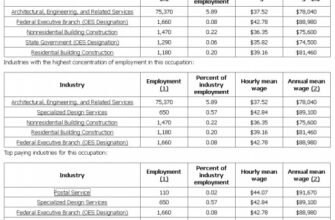
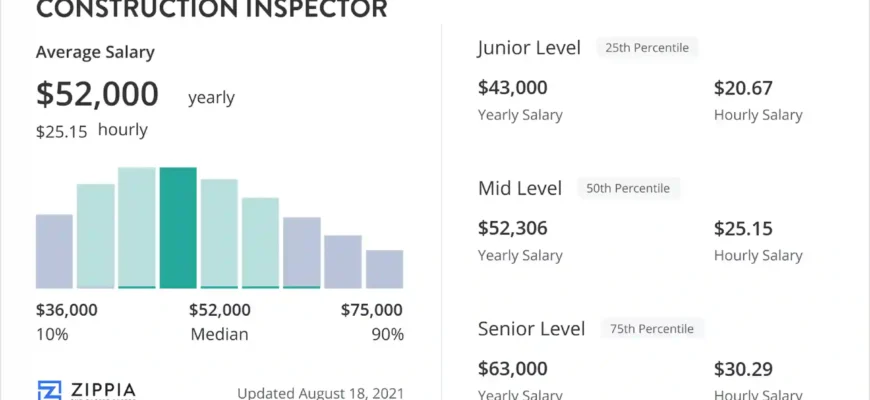
The average salary for a building inspector varies based on factors such as location, experience, and specialization. According to the U.S. Bureau of Labor Statistics, as of 2026, the median annual wage for construction and building inspectors was approximately $64,000. However, this figure can fluctuate widely depending on geographical area and the cost of living.
- Entry-level: Typically earn between $40,000 to $50,000 annually.
- Mid-career: The average salary rises to between $55,000 to $75,000.
- Experienced: With experience and certifications, earnings can exceed $85,000.
Salaries by Location
| City | Average Salary |
|---|---|
| Los Angeles, CA | $75,000 |
| New York, NY | $80,000 |
| Dallas, TX | $70,000 |
| Chicago, IL | $68,000 |
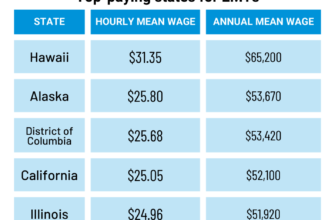
As evident from the table, cities with a higher cost of living usually offer higher salaries to building inspectors. For instance, cities like New York and Los Angeles provide salaries significantly above the national average rate.
Factors Influencing Building Inspector Salaries
- Experience Level: A seasoned professional with extensive knowledge in inspection will command a higher salary.
- Geographical Location: Areas with a high cost of living or increased demand for inspections typically pay more.
- Certifications and Education: Additional certifications and degrees can lead to higher earnings.
Necessary Qualifications and Certifications
Becoming a building inspector generally requires a mixture of education, training, and professional certifications. A high school diploma or equivalent is a common minimum requirement. Many inspectors also obtain a degree in engineering or architecture. Furthermore, professional certifications from organizations like the International Code Council (ICC) can boost earning potential and job prospects.
Common Mistakes to Avoid as a Building Inspector
- Inadequate Documentation: Ensure thorough and clear records for each inspection.
- Overlooking Small Details: Even minor code infractions can lead to potential safety hazards.
- Insufficient Continuous Learning: The construction industry is ever-evolving, requiring inspectors to stay current with codes and techniques.
Is it Possible to Transition from Another Career?
Yes, many people transition into building inspection from related fields such as construction management, engineering, or property evaluation. Acquiring the necessary certifications and leveraging previous experience can facilitate this career change.
Which is Better: Private vs. Government Employment?
Both private and government employment have their advantages. Government positions often offer more job security, benefits, and pension options. On the other hand, private firms may provide higher salaries and bonuses but with variable job stability. Individual preferences and career goals will guide this decision.
FAQ Section
How can I become a building inspector?
Complete a high school diploma, obtain relevant certifications, and consider earning a degree in a related field.
What certifications are needed?
Certifications from the ICC and other relevant bodies greatly enhance your job prospects and salary potential.
Do building inspectors need a degree?
While not always required, a degree in engineering, architecture, or a related field is beneficial.
Can building inspectors work freelance?
Yes, many building inspectors offer freelance services to private clients or companies, especially after gaining considerable experience.
What skills are essential for building inspectors?
An eye for detail, strong analytical skills, and good written communication are essential.