- Understanding Boils: What Does It Look Like?
- What is a Boil?
- Recognizing the Signs of a Boil
- How to Treat a Boil
- When to Consult a Doctor
- Complications from Boils
- Preventing Boils
- Boil Misconceptions and Mistakes
- Comparing Boils and Other Skin Conditions
- FAQ Section
- What does a boil look like in its early stages?
- How long does it take for a boil to heal?
- Can I prevent boils from occurring?
- Are boils contagious?
- What over-the-counter treatments are available for boils?
Understanding Boils: What Does It Look Like?
Boils are a common skin condition that many people experience at some point in their lives. They can be uncomfortable and sometimes unsightly, leading many to ask, “What does a boil look like?” This guide will explore the appearance of boils, provide practical advice on how to treat them, and answer frequently asked questions. Leveraging expertise from authoritative sources, this article aims to be a comprehensive resource on this topic.
What is a Boil?
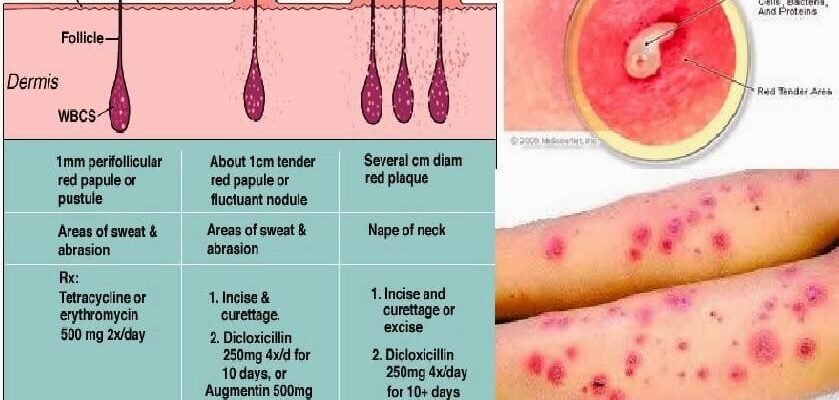
A boil, scientifically known as a furuncle, is a painful, pus-filled bump that forms under the skin when bacteria infect and inflame one or more hair follicles. Typically caused by Staphylococcus aureus, these boils can appear anywhere on the body but are commonly found on the face, neck, armpits, shoulders, and buttocks.
Recognizing the Signs of a Boil
- Red and swollen skin: Boils often begin as a red, tender lump that rapidly becomes swollen.
- Pus-filled center: As the infection progresses, a white or yellow pus-filled center, called a head, forms at the tip.
- Pain and warmth: Boils can be painful to the touch and may feel warm due to inflammation.
- Oozing: Eventually, the boil will ooze pus, which can be followed by healing.
How to Treat a Boil
- Warm compress: Apply a warm, damp cloth to the boil for 20 minutes several times a day to encourage drainage.
- Keep it clean: Wash the area with antibacterial soap and cover it with a bandage.
- Avoid squeezing: Never attempt to squeeze or puncture a boil, as it can spread infection.
- Over-the-counter medication: Pain relievers like ibuprofen or acetaminophen can help with discomfort.
- Seek medical advice: If a boil doesn’t heal within two weeks or is accompanied by fever, consult a healthcare professional.
When to Consult a Doctor
Although most boils can be treated at home, some cases require medical attention. If you experience any of the following symptoms, it’s essential to see a doctor:
- A boil that persists for more than two weeks without improvement
- Severe pain or discomfort
- A boil that keeps recurring
- Fever or red streaks radiating from the boil
- A compromised immune system due to other health conditions
Complications from Boils
In some cases, boils may lead to complications such as:
- Carbuncles: A cluster of boils that form a connected area of infection.
- Scarring: Boils can leave behind scars, particularly if they are large or frequently occur.
- Spread of infection: If the bacteria spread, it can cause cellulitis or other deeper skin infections.
Preventing Boils
Preventive measures are crucial to avoid recurring boils. Here are some tips:
- Practice good hygiene by washing your hands and body regularly.
- Avoid sharing personal items such as towels or razors.
- Keep your immune system strong by maintaining a healthy diet and exercise routine.
- Wear loose-fitting clothing to minimize irritation to the skin.
Boil Misconceptions and Mistakes
There are several misconceptions regarding boils that can lead to mistakes in treating them:
- Popping boils: Many believe popping a boil will help, but it often exacerbates the issue.
- Ignoring symptoms: Some individuals may wait too long to seek medical advice, leading to complications.
- Home remedies: While some home remedies can be effective, others may be harmful. Always use proven methods.
Comparing Boils and Other Skin Conditions
| Condition | Characteristics |
|---|---|
| Boil | Red, painful bump with pus, grows quickly over days, sensitive to touch. |
| Cyst | Non-infected, sac-like growth under the skin, firm and painless unless infected. |
| Abscess | Pus-filled sore with a deeper infection, swollen and painful. |
FAQ Section
What does a boil look like in its early stages?
A boil typically starts as a small, firm, red bump approximately the size of a pea.
How long does it take for a boil to heal?
Most boils resolve on their own within 1 to 3 weeks after they burst and drain.
Can I prevent boils from occurring?
Yes, by practicing good personal hygiene and avoiding irritants, you can reduce the likelihood of developing boils.
Are boils contagious?
Boils themselves aren’t contagious, but the bacteria causing them can spread to others.
What over-the-counter treatments are available for boils?
Topical antibiotics and oral pain relievers can help ease discomfort and aid healing.
This comprehensive article is optimized for both readers and search engines, packed with practical advice and expert insights to help users understand, identify, and manage boils effectively.







