- Understanding the Color and Meaning of Urine: A Comprehensive Guide
- The Basics of Urine Color: What It Is and What It Means
- What Causes the Color of Urine?
- Common Urine Colors and Their Implications
- Factors Affecting Urine Color: An In-depth Look
- Temporary Changes
- Persistent Changes
- Is Changing Your Urine Color Beneficial?
- When to Seek Medical Attention
- FAQs About Urine Color and Meaning
Understanding the Color and Meaning of Urine: A Comprehensive Guide
Urine color can tell you a significant amount about your health. It’s a window into various processes happening within the body. This guide dives into the all-important indicator of urine color and its associated meanings. We’ll discuss common search queries and provide authoritative guidance on this crucial subject.
The Basics of Urine Color: What It Is and What It Means
Urine, naturally produced by the kidneys, acts as a waste disposal system, carrying away toxins and waste. Its color can range from clear to yellow to amber, and even shades of red or brown under certain conditions. Understanding what each color signifies can greatly assist in maintaining your health.
What Causes the Color of Urine?
The color of urine primarily results from a pigment called urochrome, which varies in concentration based on hydration levels. Additional factors contributing to urine color include diet, medications, and existing medical conditions.
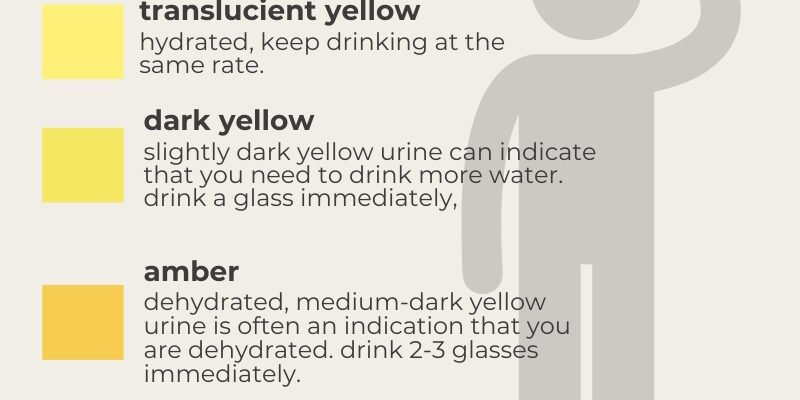
- Hydration: Well-hydrated individuals typically have clear or light yellow urine, whereas dehydration often leads to darker yellow urine.
- Diet: Foods such as beets and berries can influence urine color significantly.
- Medications: Some medicines might cause urine to change to more unusual colors like blue or green.
- Medical Conditions: Diseases like liver problems or hematuria can cause red or brown urine.
Common Urine Colors and Their Implications
Different urine colors can indicate various health statuses:
| Color | Potential Indications |
|---|---|
| Clear | Excessive hydration, sometimes indicative of overconsumption of water |
| Pale Yellow | Normal hydration level |
| Dark Yellow | Mild or moderate dehydration |
| Amber | Dehydration |
| Red | Potential presence of blood, may require medical consultation |
| Orange | Potential liver or bile duct conditions, or due to food/dyes |
| Brown | Extreme dehydration, liver conditions |
| Blue/Green | Side effects from drugs or dyes in food |
Factors Affecting Urine Color: An In-depth Look
Understanding the influences on urine color involves recognizing both temporary and more serious factors:
Temporary Changes
Diet and fluid intake can quickly alter the color of urine, which generally isn’t a cause for concern.
Persistent Changes
These may signal underlying health conditions. If urine color changes persist without explanation, it’s advisable to seek medical advice.
Is Changing Your Urine Color Beneficial?
While naturally maintaining a hydrated, pale-yellow urine color is beneficial, attempts to alter urine color through other means should be approached cautiously. Unnatural changes could indicate an underlying problem that needs professional attention rather than self-treatment.
When to Seek Medical Attention
While some urine color changes are harmless, others can signal an issue needing medical intervention:
- Urine that consistently appears bloody, brown, or unusual for an extended period should prompt a doctor’s visit.
- Accompanying symptoms like pain or fever should increase urgency for medical evaluation.
FAQs About Urine Color and Meaning
- What causes urine to change color? Primarily hydration, diet, medication, and health conditions.
- Can I change my urine color naturally? Maintaining proper hydration is the safest way to keep your urine color in the optimal pale yellow range.
- Is clear urine a sign of good health? While often harmless, consistently clear urine can suggest overhydration.
- Why is my urine suddenly orange? It could be dietary or medication-related, but liver issues should also be considered.
- How does medication affect urine color? Many medications have side effects that can include urine color changes such as blue or green urine.
- Should I be worried if my urine is red? It can indicate blood in the urine, warranting medical consultation.







