
Female genital mutilation is the partial or total removal or injury of the external female genitals for non-medical reasons. It is a harmful practice recognized internationally as a violation of human rights.
Definition
The WHO defines female genital mutilation (FGM) as all procedures that involve partial or total removal of the external female genitalia, or other injury to the female genital organs, for non-medical reasons.
Scale
- More than 230 million girls and women alive today have undergone FGM (UNICEF, 2024).
- It is concentrated in 30 countries in Africa, the Middle East and Asia.
- About 4 million girls are at risk each year.
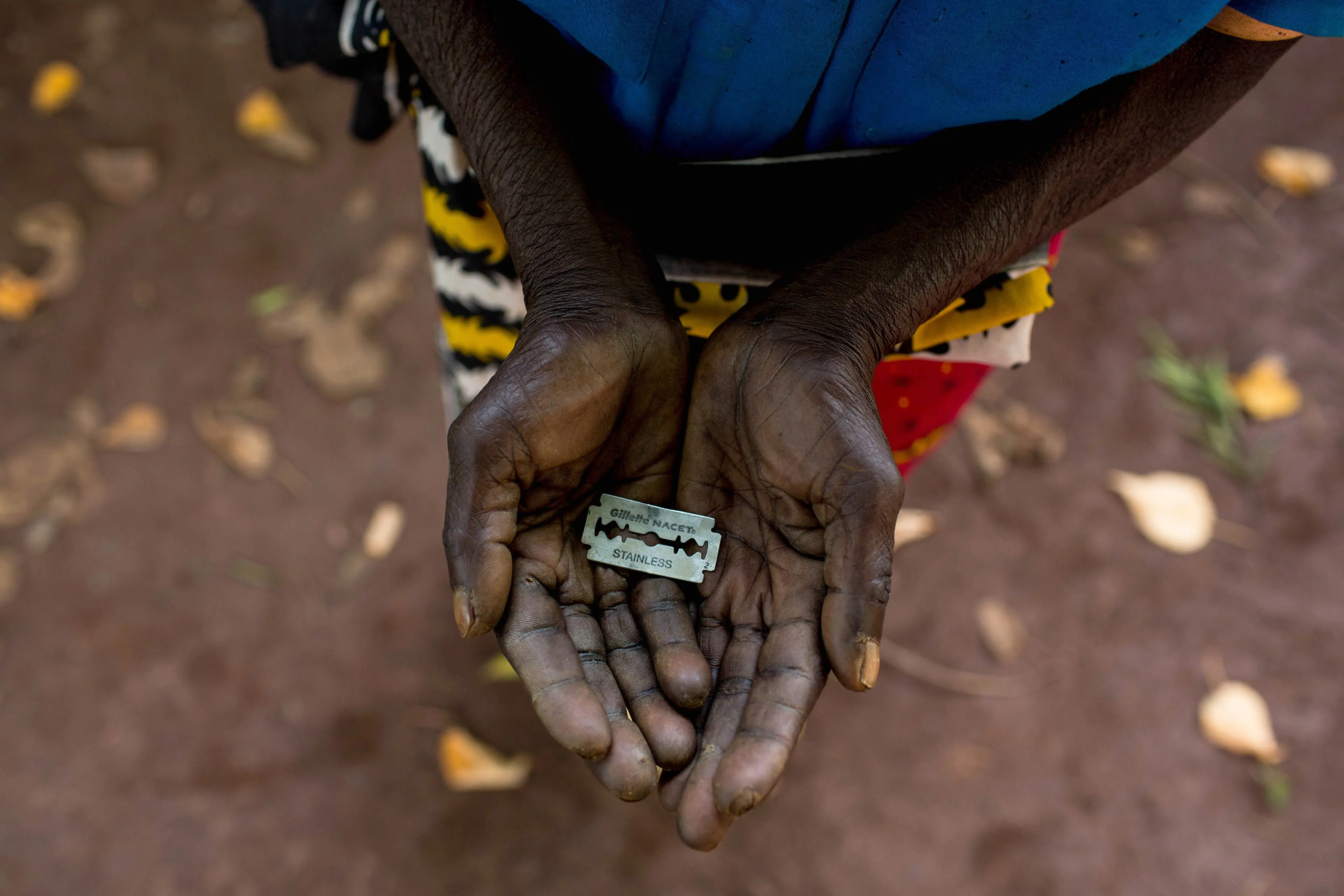
Types
The WHO lists four types, from partial removal of the clitoris to infibulation (narrowing the vaginal opening).
Harm
Severe bleeding, infection, childbirth complications, chronic pain and psychological trauma. It has no health benefits.
Law
It is internationally recognized as a human rights violation and is a crime in the US (federal law since 1996) and the UK (since 1985).

Help
In the US, call the Childhelp hotline at 1-800-422-4453.
Based on data from the WHO and UNICEF.