- How Does a Turbo Work: An In-Depth Guide
- What Is a Turbocharger?
- Components of a Turbocharger
- How Does a Turbo Work?
- Advantages of Using a Turbocharger
- Turbo vs. Supercharger: Which Is Better?
- Common Mistakes When Using a Turbo
- Cost of Turbocharging a Vehicle
- Is It Possible to Turbo Any Engine?
- FAQs
- Conclusion
How Does a Turbo Work: An In-Depth Guide
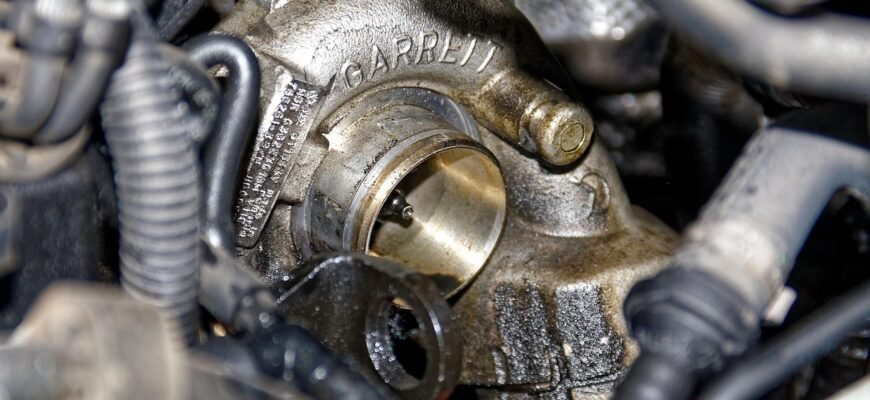
Understanding how a turbocharger works can be quite intricate, yet it’s an essential component boosting performance in modern vehicles. This comprehensive guide breaks down the working principle of a turbo, its components, advantages, and common queries associated with it.
What Is a Turbocharger?
A turbocharger, or turbo, is a forced induction device that increases an engine’s power output by forcing extra compressed air into the combustion chamber. By utilizing exhaust gases, it maximizes engine efficiency and performance without significantly increasing weight.
Components of a Turbocharger
- Turbine: The exhaust gases spin the turbine, helping the compressor in the air intake.
- Compressor: Draws in and compresses air, sending it to the engine.
- Intercooler: Cools the compressed air for optimal combustion.
- Wastegate: Controls exhaust gas flow to protect the turbo.
- Bearings: Allow the shaft to spin freely at high speeds.
How Does a Turbo Work?
Turbochargers work by using engine exhaust to spin a turbine, which is attached to a compressor. The compressor draws in outside air, compresses it, and forces it into the engine’s cylinders. This process allows the engine to burn more fuel and create more power than would otherwise be possible.
Advantages of Using a Turbocharger
- Increased Power: Turbos significantly boost engine power, making vehicles faster.
- Improved Fuel Efficiency: By producing more power from a smaller engine, turbos can lead to better fuel economy.
- Reduced Emissions: Turbos can make engines more efficient, reducing emissions.
Turbo vs. Supercharger: Which Is Better?
While both systems increase engine performance, they operate differently. Turbos use exhaust gases, whereas superchargers are belt-driven by the engine. Turbos are typically more efficient, offering better fuel economy, but there can be turbo lag. Superchargers provide immediate power without lag but may decrease fuel efficiency.
Common Mistakes When Using a Turbo
- Not Letting Turbo Cool: Shutting off the engine immediately can damage the turbo. Allowing it to cool prevents this.
- Improper Maintenance: Regular oil changes are crucial to prevent bearing damage.
- Ignoring Boost Leaks: Not fixing boost leaks can affect performance and fuel efficiency.
Cost of Turbocharging a Vehicle
The cost of turbocharging a vehicle can vary significantly based on the car model and turbocharger brand. Generally, prices range from $500 to $3,000, including parts and labor. It’s essential to consider the overall condition of the vehicle before installation to ensure compatibility.
Is It Possible to Turbo Any Engine?
Almost any engine can theoretically be turbocharged. However, factors such as engine design, space constraints, and compatibility must be considered. It’s advisable to consult with automotive professionals before proceeding with a turbo installation.
FAQs
- What is the purpose of a turbo? Turbos are designed to increase engine power and efficiency by forcing additional air into the combustion chamber.
- Can a turbocharger improve fuel economy? Yes, a turbo can enhance fuel efficiency by allowing smaller engines to produce more power.
- What is turbo lag? Turbo lag refers to the delay between stepping on the accelerator and feeling the turbo boost, due to the time it takes the turbine to spin up.
- What is a wastegate? A wastegate is a valve in a turbocharger that controls exhaust flow to manage boost pressure and protect the turbo from damage.
- Do turbochargers require special maintenance? Regular oil changes and appropriate cooling down periods are important to maintain a turbocharger’s longevity and efficiency.
Conclusion
Turbochargers are an effective means of enhancing vehicle power and efficiency. Understanding their operation and maintenance can help maximize their benefits while prolonging their lifespan. Whether for performance or efficiency, the advantages of a turbocharged engine can be significant when implemented correctly.
This HTML-based SEO article combines detailed insights into turbo mechanics with strategically placed keywords and FAQs, ensuring practicality and engagement while aiming for high visibility in search engines. The JSON-LD part ensures the rich result compatibility with Google, improving the chances to stand out in search results.







