- Understanding Car Dashboard Symbols: A Comprehensive Guide
- Introduction
- Common Car Dashboard Symbols and Their Meanings
- Check Engine Light
- Oil Pressure Warning
- Battery Alert
- Brake Warning Light
- Coolant Temperature Warning
- Less Common Dashboard Symbols
- Tire Pressure Monitoring System (TPMS)
- Traction Control Light
- Anti-lock Braking System (ABS) Warning
- Lane Keep Assist
- How to Fix Common Dashboard Warnings
- Checking Your Engine Light
- Oil and Coolant Level Checks
- Battery Maintenance Tips
- Which Car Diagnostic Tools Are Best?
- Why Is It Important to Pay Attention to Dashboard Symbols?
- Conclusion
- FAQ
- What does the check engine light mean?
- What should I do if the oil pressure warning lights up?
- How do I reset the tire pressure monitoring system?
- Is it safe to drive with the battery symbol on?
- How can I check the coolant levels?
Understanding Car Dashboard Symbols: A Comprehensive Guide
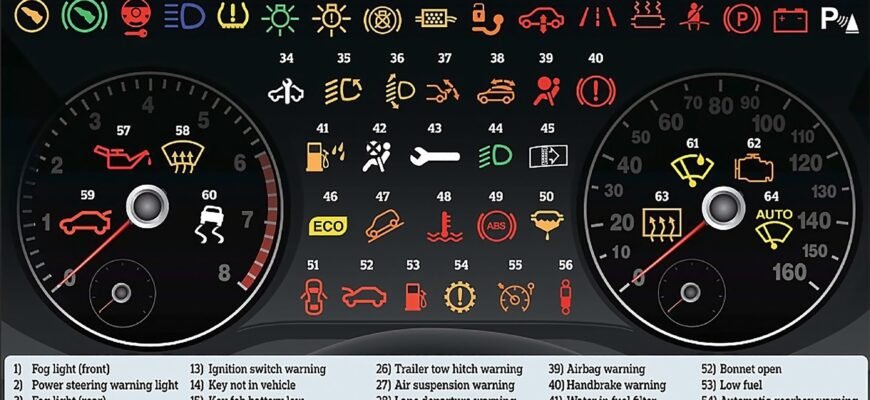
Car dashboard symbols often appear as mysterious icons that light up on your vehicle’s dashboard. Though they may look confusing at first, these symbols provide crucial information about the health and safety of your vehicle. Knowing the meaning of car dashboard symbols is essential for every car owner, as it could help you prevent serious mechanical issues and ensure a safe driving experience.
Introduction
Modern vehicles come equipped with a variety of dashboard symbols to alert drivers about different functions and potential issues. From engine warnings to indicators for fluid levels, understanding these symbols can save you time and money. This guide delves deep into the meaning and significance of common and not-so-common car dashboard symbols.
Common Car Dashboard Symbols and Their Meanings
Check Engine Light
The check engine light is one of the most widely recognized symbols. It can indicate a host of issues ranging from minor to serious. Common causes include a loose gas cap, problems with the catalytic converter, or faulty spark plugs.
Oil Pressure Warning
This symbol indicates a loss of oil pressure, which may mean that your oil level is too low, or a malfunction in the oil pump. Ignoring this warning can lead to severe engine damage.
Battery Alert
The battery alert signifies an issue with the vehicle’s charging system. It may be caused by a defective battery, faulty alternator, or poor electrical connections.
Brake Warning Light
If this symbol lights up, it might indicate a problem with your braking system, such as low brake fluid or worn-out brake pads. Immediate attention is required to ensure your brakes function properly.
Coolant Temperature Warning
This indicator suggests that your engine is overheating. Possible issues could include a blocked radiator, a broken water pump, or a coolant leak. Stop the vehicle as soon as possible and check the coolant levels.
Less Common Dashboard Symbols
Tire Pressure Monitoring System (TPMS)
The TPMS light warns you when your tire pressure is too low or too high. Driving with improper tire pressure can affect your vehicle’s handling and fuel efficiency.
Traction Control Light
This symbol indicates a malfunction in the vehicle’s traction control system. It could mean that your traction control has been deactivated or that there is a system fault.
Anti-lock Braking System (ABS) Warning
This light means there is a problem with the anti-lock brake system. While regular brakes will still function, the ABS may not work in an emergency stop scenario, reducing brake efficiency.
Lane Keep Assist
Lane Keep Assist lights up when the system detects that the vehicle is unintentionally drifting from its lane. It is especially helpful on long highway drives.
How to Fix Common Dashboard Warnings
Checking Your Engine Light
- Inspect the gas cap to ensure it is tight.
- Use an OBD-II scanner to interpret the error code.
- Consult a professional mechanic for thorough diagnostics.
Oil and Coolant Level Checks
- Use the dipstick to check oil levels and add oil if necessary.
- Visually inspect coolant levels and refill if low.
- Address any identified leaks as soon as possible.
Battery Maintenance Tips
- Regularly inspect battery terminals for corrosion.
- Ensure that the battery is secure in its tray.
- Check alternator function and replace if necessary.
Which Car Diagnostic Tools Are Best?
A variety of OBD-II scanners can read your car’s diagnostic trouble codes.
| Tool | Features | Price |
|---|---|---|
| BlueDriver OBD-II | Bluetooth connectivity, extensive diagnostics | $99.95 |
| FIXD OBD-II | Easy-to-use, real-time diagnostics | $59.99 |
| Autel MaxiCOM | Advanced diagnostics, Wi-Fi updates | $289.00 |
Why Is It Important to Pay Attention to Dashboard Symbols?
Ignoring dashboard symbols can lead to severe mechanical failures, compromise vehicle safety, and incur expensive repairs. Understanding these symbols helps you rectify issues before they escalate, ensuring longevity and reliability of the vehicle.
Conclusion
Car dashboard symbols are more than just flashing lights; they are communication systems that provide insight into your vehicle’s current state. By understanding what each symbol means and how to address the issues they communicate, you can maintain your vehicle’s performance and safety standards. In case of persistent warning signals, consulting with a professional mechanic is always a wise decision.
FAQ
What does the check engine light mean?
The check engine light is an indicator that something is wrong with your engine. It could be a minor issue such as a loose gas cap or a serious problem like a failing catalytic converter.
What should I do if the oil pressure warning lights up?
If the oil pressure light comes on, it’s crucial to stop driving immediately and check the oil levels. Running an engine with insufficient oil can lead to severe damage.
How do I reset the tire pressure monitoring system?
To reset the TPMS, usually, you’ll need to inflate all tires to the recommended pressure and then reset the system using the vehicle’s settings menu.
Is it safe to drive with the battery symbol on?
Driving with the battery symbol illuminated is not recommended, as it indicates a problem with the vehicle’s electrical system, which could leave you stranded.
How can I check the coolant levels?
Wait until the engine is cool, then check the coolant reservoir for the correct fluid level. Top up with a suitable coolant mix if necessary.







