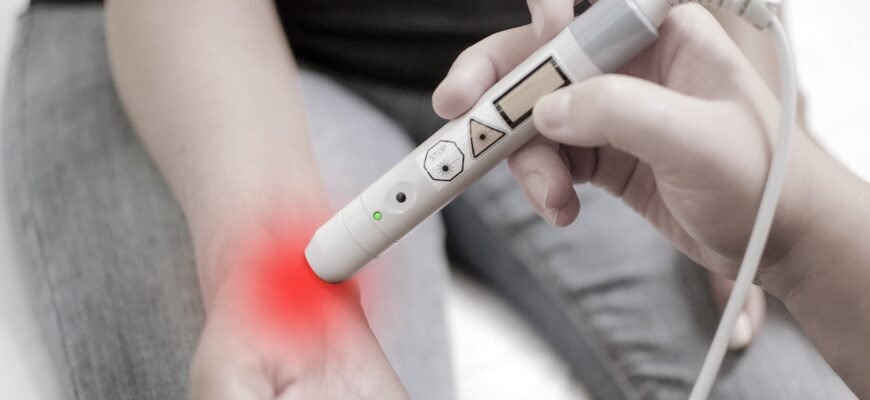
Understanding What a Slipped Disc Feels Like
A slipped disc, often referred to as a herniated or prolapsed disc, can cause a range of symptoms that vary from mild discomfort to severe pain. In this article, we explore what a slipped disc feels like, including common symptoms, how to manage them, and when to seek medical attention.
Common Symptoms of a Slipped Disc
The sensation of a slipped disc can vary depending on the location and severity of the herniation. Generally, it feels like:
- Sharp or Shooting Pain: Often radiating down the arms or legs.
- Numbness or Tingling: Usually occurs in the affected nerve areas.
- Weakness: Particularly in muscles controlled by the affected nerves.
- Localized Pain: Focused around the neck or lower back.
- Pain Worsening with Movement: Pain can intensify with certain movements or positions.
How Does a Slipped Disc Happen?
A slipped disc occurs when the soft inner gel of a spinal disc protrudes through a tear in the tougher outer layer. This can happen due to several factors:
- Age-Related Degeneration: As we age, our spinal discs lose hydration and elasticity.
- Injury: Sudden trauma from a fall or accident can cause a disc to slip.
- Poor Posture: Consistently poor posture can put extra strain on the spine.
- Heavy Lifting: Lifting heavy objects incorrectly can contribute to disc herniation.
Diagnosis of a Slipped Disc
To diagnose a slipped disc, healthcare professionals may use:
- Physical Examination: Testing reflexes, muscle strength, and pain areas.
- Imaging Tests: MRI or CT scans to visually confirm disc herniation.
- Nerve Tests: Electromyography (EMG) to measure electrical activity in nerve roots.
Treatment Options for a Slipped Disc
Treatment varies based on severity and patient-specific factors. Common methods include:
- Physical Therapy: Exercises to relieve pain and improve mobility.
- Medication: Pain relief through OTC or prescription medications.
- Surgery: In severe cases, procedures such as discectomy or laminectomy may be required.
- Alternative Therapies: Acupuncture, chiropractic care, and yoga.
Living with a Slipped Disc
Managing daily life with a slipped disc involves adjusting habits and routines:
- Exercise Regularly: Low-impact workouts to stay active and support recovery.
- Maintain a Healthy Weight: Reducing strain on spinal discs.
- Practice Good Posture: Utilize ergonomic furniture and techniques to prevent aggravation.
- Avoid High-Risk Activities: Steering clear of activities that can exacerbate the condition.
When to Seek Medical Attention
Contact a healthcare provider if experiencing:
- Severe Pain: Persistent or intense pain that does not improve with rest.
- Bladder or Bowel Dysfunction: Loss of control can indicate a medical emergency.
- Progressive Weakness: Deterioration in muscle strength or function.
Prevention of Slipped Discs
Preventative measures can significantly reduce the risk of developing slipped discs:
- Regular Exercise: Strengthening support muscles around the spine.
- Use Proper Lifting Techniques: Keeping weight close to the body and bending knees.
- Stay Hydrated: Ensuring discs remain hydrated and flexible.
- Quit Smoking: Reducing risk factors related to spinal health.
FAQs
- What does a slipped disc feel like?
- A slipped disc typically causes sharp pain, numbness, tingling, and weakness in the affected areas.
- How is a slipped disc diagnosed?
- Diagnosis involves physical examinations, MRI or CT scans, and sometimes nerve tests like EMG.
- Is surgery necessary for a slipped disc?
- Surgery is considered if conservative treatments fail and symptoms persist or worsen.
- Can lifestyle changes help prevent slipped discs?
- Yes, regular exercise, proper lifting techniques, and maintaining a healthy weight can help prevent slipped discs.
- Can a slipped disc heal on its own?
- In many cases, with appropriate rest and rehabilitation, a slipped disc can improve over time.
This article is optimized with keywords and structured for search engine visibility by breaking down the information into clear sections, incorporating various potential user queries, and making use of an FAQ schema for enhanced visibility in rich results on Google.







