- Understanding Road Signs: A Comprehensive Guide
- The Importance of Road Signs
- Types of Road Signs and Their Meanings
- Regulatory Signs
- Warning Signs
- Guide Signs
- Temporary Traffic Control Signs
- How to Interpret the Color and Shape of Road Signs
- Common Mistakes Drivers Make with Road Signs
- Why Road Signs Are Essential for Pedestrian Safety
- Is It Possible to Drive Without Knowing Road Signs?
- Comparison Table: Global Road Sign Variations
- FAQs About Road Signs
- What do regulatory signs mean?
- How can I identify a warning sign while driving?
- Are road signs the same worldwide?
- Which road signs are considered the most important?
- Can failing to understand road signs affect my driving test?
Understanding Road Signs: A Comprehensive Guide
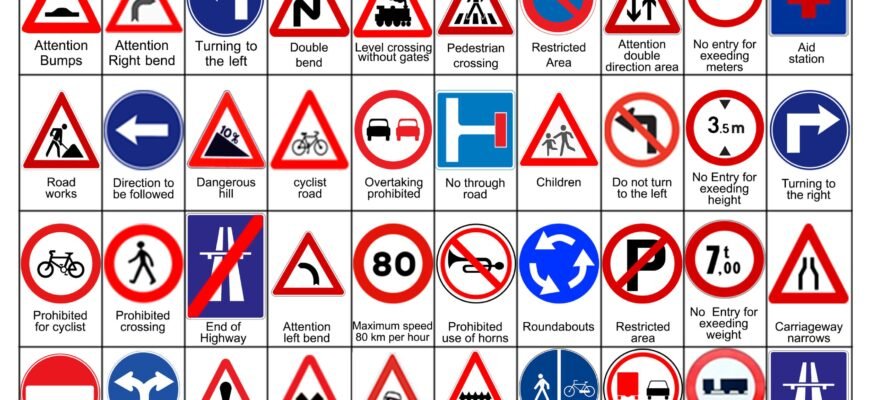
Road signs are essential components of road safety, guiding drivers and pedestrians alike. Understanding these signs is crucial for safe navigation, adherence to traffic laws, and accident prevention. This guide explores the meaning of various road signs, their significance, and answers to common questions regarding their use.
The Importance of Road Signs
Road signs play a critical role in maintaining the safety and efficiency of road operations. They provide important information, indicate regulations, and offer warnings about roadway conditions. Without these signs, driving would be far more chaotic and dangerous.
- Instructional signs: Instruct drivers on what they must or must not do.
- Warning signs: Alert drivers to potential hazards or changing conditions.
- Informational signs: Provide assistance by offering directions and information about services.
Types of Road Signs and Their Meanings
Each type of road sign is designed to convey a specific message represented by different shapes, colors, and symbols. Here’s a breakdown of the most common types:
Regulatory Signs
Regulatory signs include stop signs, yield signs, and speed limit signs. They enforce laws and must be obeyed at all times. Ignoring them can lead to penalties or accidents.
Warning Signs
These signs are often yellow and diamond-shaped, warning of possible dangers ahead like curves, road conditions, or pedestrian crossings.
Guide Signs
Typically green or blue, guide signs provide directions and distances to destinations. They are crucial for navigation and ensuring you remain on the correct route.
Temporary Traffic Control Signs
These signs, like roadwork markers, indicate temporary conditions and are often orange with black symbols or text.
How to Interpret the Color and Shape of Road Signs
The color and shape of road signs offer clues to their meaning:
- Red signs: Indicate prohibitions. Examples include stop and do not enter.
- Yellow signs: Warning signs. Alert drivers of conditions like curves or crossings.
- Blue signs: Provide information about services ahead, such as rest stops.
Common shapes and their meanings:
| Shape | Meaning |
|---|---|
| Octagon | Stop |
| Triangle | Yield |
| Rectangle | Informational or regulatory |
Common Mistakes Drivers Make with Road Signs
Misinterpretation or ignorance of road signs can lead to significant safety hazards. Some common mistakes include:
- Ignoring yield signs: Believing they are optional.
- Missing speed limits: Especially when transitioning from one road type to another.
- Mistaking warning signs: Not taking yellow signs seriously.
Why Road Signs Are Essential for Pedestrian Safety
Road signs also serve to protect pedestrians by marking crosswalks, alerting drivers of school zones, and indicating no-cross zones. These signs ensure drivers are aware of pedestrian-priority areas.
Is It Possible to Drive Without Knowing Road Signs?
While technically possible, driving without understanding road signs is highly dangerous and illegal. Lack of awareness can lead to accidents, fines, or failing a driver’s test.
Comparison Table: Global Road Sign Variations
Road signs can have varied designs and meanings across countries. Below is a comparison of road sign meanings in different regions:
| Region | Unique Road Sign | Meaning |
|---|---|---|
| United States | Black with white text | Speed limit signs |
| Europe | Blue with white text | General information signs |
| Australia | Yellow with black text | Warning signs |
FAQs About Road Signs
What do regulatory signs mean?
Regulatory signs are used to indicate or enforce regulations which apply at all times or at specified times or places upon a street or highway.
How can I identify a warning sign while driving?
Warning signs are usually yellow with black symbols and are designed to alert you about certain road conditions ahead, such as turns or animal crossings.
Are road signs the same worldwide?
While many road signs are standard due to international safety agreements, some variations do exist, such as certain design features or unique signs in specific countries.
Which road signs are considered the most important?
The most important road signs are usually those that regulate traffic, like stop signs and speed limits, as they ensure the lawful and safe flow of traffic.
Can failing to understand road signs affect my driving test?
Yes, failing to interpret and obey road signs can significantly impede your ability to pass a driving test, as understanding these signs is fundamental to road safety.







