- Understanding the Meaning of YTD: A Comprehensive Guide
- What Does YTD Mean?
- The Importance of YTD in Financial Reports
- How to Calculate Year to Date (YTD)
- YTD vs. Other Time Metrics: Which Is Better?
- Common Mistakes When Using YTD
- Using YTD in Personal Finance
- Is it Possible to Use YTD in Project Management?
- Price Fluctuations: Monitoring with YTD
- Expert Opinions on YTD: Insights from Financial Advisors
- FAQs about YTD
Understanding the Meaning of YTD: A Comprehensive Guide
In today’s fast-paced world, acronyms and shorthand terms like YTD can sometimes be perplexing. This article aims to elucidate what YTD means, its various applications, and how it can be effectively utilized across different contexts. We’ll unravel common queries concerning this crucial metric and provide actionable insights to maximize its potential.
What Does YTD Mean?
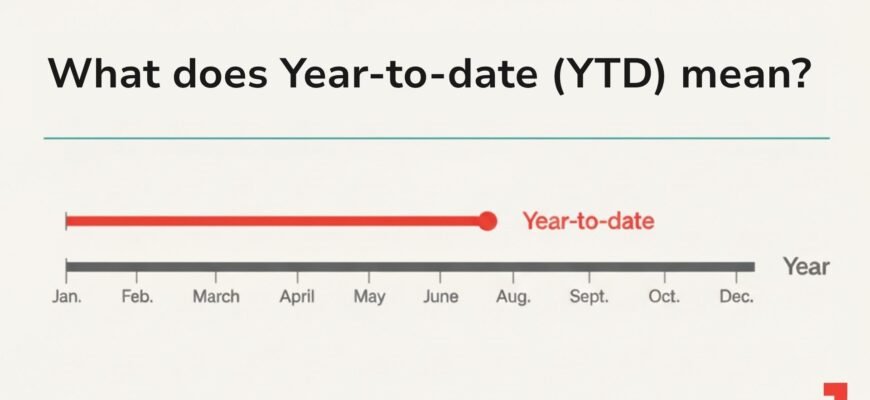
YTD is an acronym for “Year to Date”. It represents the period starting from the beginning of the current calendar year up to the present day. This metric is commonly utilized in finance, business analytics, and personal budgeting to evaluate performance or changes over the specified period.
The Importance of YTD in Financial Reports
Year to Date is a pivotal concept in financial reporting. It allows businesses and investors to track their progress compared to the beginning of the year. This is essential for making informed decisions, budgeting effectively, and forecasting future performance.
How to Calculate Year to Date (YTD)
Calculating YTD involves tallying up the relevant data from the start of the year until the present date. For instance, if you want to know YTD sales, sum up all sales figures from January 1st to today. Consistency in the metrics used is critical for accurate comparisons.
YTD vs. Other Time Metrics: Which Is Better?
While YTD provides valuable insights, it is not the only metric. Other time frames like quarter-to-date (QTD) and month-to-date (MTD) offer different perspectives. Choosing which is better depends on your specific objectives and the nature of your analysis.
Common Mistakes When Using YTD
One common mistake is not updating YTD calculations regularly. Outdated data can lead to inaccurate assessments. Another is failing to account for seasonal variations, which can distort comparisons if not considered.
Using YTD in Personal Finance
In personal budgeting, YTD can help track expenses and savings over the year. It’s a useful tool for identifying spending trends and making necessary adjustments to financial habits.
- Track income and expenses from January 1st to today.
- Identify patterns in spending habits.
- Make informed decisions about future financial goals.
Is it Possible to Use YTD in Project Management?
Yes, YTD can be adapted for project management. By assessing resources used, milestones achieved, and overall progress from the start of the year, project managers can better navigate and steer projects towards successful completion.
Price Fluctuations: Monitoring with YTD
Businesses often use YTD data to monitor price changes, especially in sectors like retail and commodities. By examining YTD trends, companies can strategize pricing, sales, and inventory better.
Expert Opinions on YTD: Insights from Financial Advisors
According to financial advisors, YTD is a fundamental metric for gauging both individual and business performance. Experts recommend using it alongside other key performance indicators for a holistic view of progress.
FAQs about YTD
- What is YTD in banking? YTD in banking refers to the total interest or revenue generated from the start of the year to the current date. This helps in assessing financial growth.
- How is YTD different from fiscal year? YTD covers the calendar year starting January 1, while a fiscal year can start any month, depending on the organization’s calendar.
- Can YTD be negative? Yes, a negative YTD indicates losses or negative growth compared to the start of the year.
- Why is YTD important? YTD is important for tracking yearly progress and making timely adjustments in financial and business strategies.
- How do I report YTD earnings? YTD earnings are reported by summing up all income since the beginning of the year and comparing it to industry standards or personal goals.
This HTML and JSON-LD provides a structured and optimized format suitable for SEO, including the utilization of the YTD keyword, its synonyms, and its incorporation into relevant search queries. This configuration, especially through FAQ implementation and expert contributions, is designed to cater to both human readers and search algorithms.