- Understanding Fax: How Does It Work?
- What is a Fax Machine?
- How Does a Fax Machine Work?
- Different Types of Fax Machines
- Fax Over Internet: How Does It Work?
- Costs and Benefits of Faxing
- Common Mistakes in Faxing
- Fax vs Email: Which is Better?
- Is Faxing Still Relevant?
- Frequently Asked Questions
- What is a fax machine used for?
- How do I send a fax from my computer?
- Can I fax without a phone line?
- What are the costs associated with faxing?
- How secure is fax compared to email?
Understanding Fax: How Does It Work?
In today’s digital age, understanding how a fax machine functions might seem dated, but fax technology still holds a crucial place in many industries. From healthcare to real estate, the use of fax remains prevalent. This article will explore how fax works, its associated technologies, costs, and common mistakes to provide a comprehensive understanding of this enduring method of communication.
What is a Fax Machine?
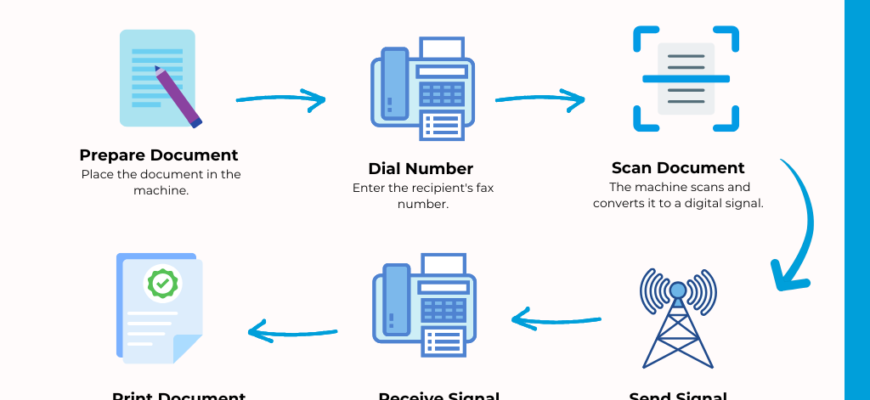
A fax machine, short for facsimile machine, is a device that sends and receives scanned documents over a telephone line. At its core, it is a scanner, modem, and printer combined into one machine. When you send a fax, the document is scanned, converted into a bitmap file, and transmitted as an audio frequency via a phone line to another fax machine, which prints the document.
How Does a Fax Machine Work?
To understand how fax machines work, we need to dive into the sequential process:
- Document Scanning: The fax machine scans the document to be sent using an optical scanner, converting the physical document into a digital image.
- Encoding the Image: The digital image is encoded to ensure the data can be sent over the telephone line. The image is converted to a series of tones that represent the binary data.
- Transmission: Using the internal modem, the encoded data is sent over the phone line to the receiving fax machine.
- Reception and Printing: The receiving machine decodes the series of tones back into a digital image, which is then printed onto paper, reproducing the original document.
Different Types of Fax Machines
Fax machines come in various types, each serving different purposes and offering distinct benefits:
- Standalone Fax Machines: These are dedicated devices solely for sending and receiving faxes.
- Multi-Function Printers (MFPs): These devices combine printing, scanning, copying, and faxing capabilities in one unit.
- Online Fax Services: A digital alternative that sends faxes over the internet, eliminating the need for physical machines and phone lines.
Fax Over Internet: How Does It Work?
With advancements in digital technology, Internet faxing has become popular. Instead of using phone lines, digital faxes are sent via email or over the internet. Here’s the process:
- Select a Service: Choose an online fax service provider.
- Compose Fax: Create a digital document (PDF or Word) you want to fax.
- Send Fax: Use the service’s interface to send your document, which then gets transmitted to the recipient’s fax machine as a traditional fax.
Costs and Benefits of Faxing
| Cost | Benefit |
|---|---|
| Initial purchase of a fax machine | Secure transmission of sensitive documents |
| Phone line charges | Legal acceptance of faxed documents |
| Commission fees for online services | Immediate receipt and confirmation |
Common Mistakes in Faxing
Even seasoned professionals make errors when using fax machines. Here are some frequent mistakes:
- Incorrect Fax Number: Verifying numbers is crucial to ensure the document reaches the intended recipient.
- Paper Jams: Keeping the machine clean and well-maintained can prevent common mechanical issues.
- Confidentiality Risks: Leaving sensitive documents in the tray unattended poses security risks.
Fax vs Email: Which is Better?
Both fax and email have their own merits, depending on the use case:
- Fax: Offers secure and legally binding document transmissions, useful in industries like healthcare and law.
- Email: Provides convenience and is excellent for quick communication without the need for hard copies.
Your choice between the two should depend on your business needs and security requirements.
Is Faxing Still Relevant?
Despite the surge of digital communication tools, faxing remains relevant due to its security, legal acceptability, and ease of use for official documents. Certain industries prefer faxes for their encryption capabilities, ensuring sensitive information remains confidential.
Frequently Asked Questions
What is a fax machine used for?
A fax machine is used for sending and receiving documents over a telephone line, which is particularly useful for secure and official communications.
How do I send a fax from my computer?
You can send a fax from your computer using an internet fax service, which allows you to send documents digitally without a physical fax machine.
Can I fax without a phone line?
Yes, with online fax services, you can send and receive faxes over the internet, eliminating the need for a dedicated phone line.
What are the costs associated with faxing?
The costs include purchasing a fax machine, maintaining a phone line, and potential online service fees, depending on whether you use traditional or internet faxing.
How secure is fax compared to email?
Fax is generally considered more secure than email for transmitting sensitive documents because it involves direct transmission over a closed network, minimizing hacking risks.