Introduction to Plan B
Plan B, commonly known as the morning-after pill, is an emergency contraceptive method designed to prevent pregnancy after unprotected sex or contraceptive failure. It provides a crucial backup option for individuals looking to avoid unintended pregnancies. This article dives deep into what Plan B is, how it works, its effectiveness, cost, and the potential side effects. Whether you’re seeking information on the correct usage, effectiveness, or understanding the entirety of this emergency contraceptive, we cover all pertinent details to ensure you make an informed decision.
What is Plan B?
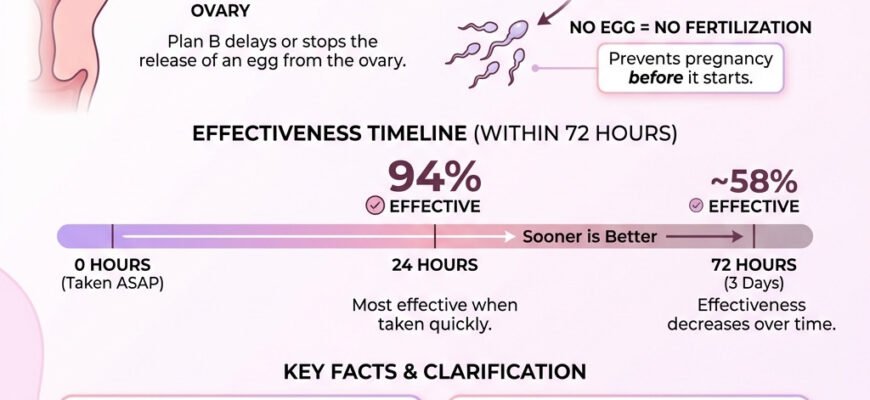
Plan B One-Step is a progestin-only emergency contraceptive pill, primarily based on the hormone levonorgestrel. It functions by preventing the release of an egg from the ovary, thereby inhibiting fertilization and implantation. This over-the-counter medication is available without a prescription and is most effective when taken within 72 hours post-intercourse.
How Does Plan B Work?
Plan B primarily works by delaying ovulation; if the egg is not released, it cannot be fertilized. The pill alters the cervical mucus, making it more difficult for sperm to reach any egg that may have been released. It is important to note that this medication will not terminate an existing pregnancy.
When and How to Take Plan B
For optimal effectiveness, Plan B should be taken as soon as possible after unprotected sex, ideally within 72 hours. The sooner it is taken, the more effective it is. It is administered as a single dose and does not require a prescription. Can Plan B be used multiple times? Yes, although not recommended as a regular contraceptive method, it can be used more than once if needed.
- Time frame: Within 72 hours
- Dose: Single tablet
- Repetition: Not limited, but not advised as regular contraception
Plan B Price and Accessibility
The cost of Plan B varies depending on location and retailer, typically ranging from $20 to $50. It’s available over-the-counter at most pharmacies and online platforms, ensuring easy access for those in need.
| Retailer | Price Range |
|---|---|
| Pharmacy A | $25 – $45 |
| Pharmacy B | $30 – $50 |
| Online Store | $20 – $40 |
Common Mistakes When Using Plan B
Several common mistakes can diminish the effectiveness of Plan B:
- Delayed intake beyond 72 hours
- Belief that it works as a regular contraceptive
- Neglecting to consult healthcare providers if vomiting occurs within 2 hours of ingestion
Effectiveness of Plan B
When taken as directed, Plan B is approximately 89% effective at preventing pregnancy after unprotected intercourse. It is less effective as time passes post-intercourse, highlighting the importance of timely administration.
Potential Side Effects of Plan B
Users may experience side effects, though not everyone will. Common side effects include nausea, fatigue, headache, dizziness, breast tenderness, and temporary changes in menstrual cycle timing.
- Nausea
- Fatigue
- Headache
- Dizziness
- Breast tenderness
Frequently Asked Questions (FAQs) About Plan B
Our FAQ section addresses the most common concerns surrounding Plan B usage, effectiveness, and safety.
- What does Plan B do? It prevents pregnancy after unprotected sex or contraceptive failure by delaying ovulation.
- How soon should Plan B be taken? It’s most effective within 72 hours of unprotected intercourse.
- Can Plan B terminate an existing pregnancy? No, it is not an abortifacient; it cannot terminate a pregnancy.
- Is Plan B available over-the-counter? Yes, it is available without a prescription at most pharmacies.
- Are there any alternatives to Plan B? Yes, other emergency contraceptives include ella and copper IUDs.
This HTML-formatted and JSON-LD structured article is optimized to cover all aspects of Plan B, ensuring that you have comprehensive information while aiming to satisfy search queries and improve search visibility.







