- PPE: What Does It Stand For?
- Understanding PPE: An Introduction
- Types of PPE and Their Applications
- The Importance of PPE in the Workplace
- How to Properly Use and Maintain PPE
- Common Mistakes When Using PPE
- PPE Costs and Budgeting
- Compliance and Regulations Related to PPE
- Technology Advancements in PPE
- The Future of PPE and Occupational Safety
- FAQs About PPE
PPE: What Does It Stand For?
Personal Protective Equipment, commonly known as PPE, is a vital component across various industries to ensure the safety and well-being of workers. In this comprehensive guide, we delve into PPE’s significance, types, uses, and more. Whether you’re an employer, employee, or simply curious, this article will provide you with expert insights.
Understanding PPE: An Introduction
PPE stands for Personal Protective Equipment. It encompasses a variety of equipment designed to protect individuals from workplace hazards that may cause injuries or illnesses. PPE plays a critical role in creating a safe working environment by minimizing exposure to hazards. In this section, we explore the foundational aspects of PPE and its importance in occupational safety.
Types of PPE and Their Applications
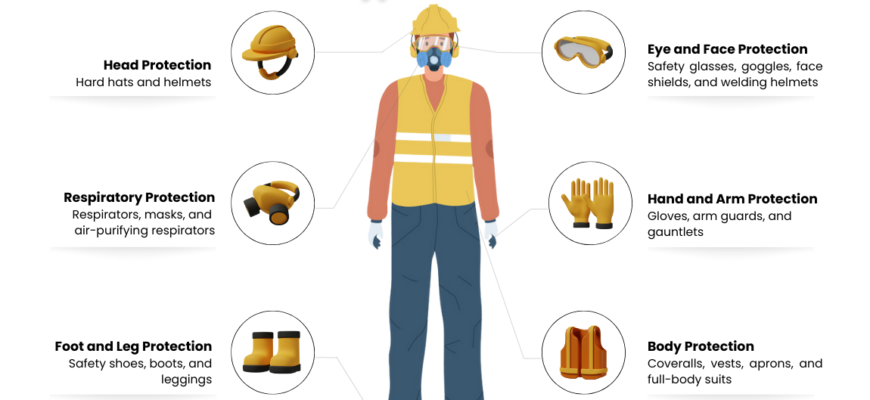
PPE can be categorized into several types, each serving a specific protective purpose. Understanding the different types of PPE and their applications is crucial for any safety-conscious individual or organization. Below are the common types of PPE:
- Head Protection: Helmets and hard hats protect against head injuries from falling objects.
- Eye and Face Protection: Safety goggles and face shields prevent eye and facial injuries from flying debris and chemical splashes.
- Hearing Protection: Earplugs and earmuffs safeguard against noise-induced hearing loss.
- Respiratory Protection: Masks and respirators protect against inhalation of hazardous substances.
- Hand Protection: Gloves protect against cuts, burns, and chemical exposure.
- Foot Protection: Safety boots and shoes prevent foot injuries from heavy objects or sharp materials.
- Body Protection: Coveralls, aprons, and lab coats shield the body from harmful substances and temperature changes.
- Fall Protection: Harnesses and lanyards minimize the risk of injury from falls.
The Importance of PPE in the Workplace
Implementing PPE is not just a regulatory requirement, but it is also a practical measure to ensure employee safety. PPE significantly reduces the risk of workplace accidents and occupational diseases, enhancing productivity by keeping workers healthy and able-bodied. By prioritizing PPE, organizations demonstrate their commitment to employee welfare and compliance with occupational safety standards.
How to Properly Use and Maintain PPE
Merely having PPE available is not enough; proper usage and maintenance are essential for effectiveness. Here’s a step-by-step guide on how to use and care for PPE:
- Select the right PPE for the specific hazard.
- Ensure PPE fits correctly and comfortably.
- Inspect PPE regularly for wear and tear.
- Follow manufacturer’s instructions for cleaning and storing PPE.
- Replace damaged or expired PPE immediately.
Common Mistakes When Using PPE
Even with the best PPE available, certain common mistakes can compromise safety. These include:
- Not wearing PPE at all times when exposed to hazards.
- Using PPE that is damaged, expired, or not suited for the task.
- Improper fitting of PPE, leading to reduced protection.
- Failure to maintain and clean PPE regularly.
PPE Costs and Budgeting
Investing in PPE is not just a cost, but a critical investment in worker safety. The price of PPE varies based on type, quality, and manufacturer. Organizations should allocate a realistic budget for PPE that considers the quantity needed and replacement frequency.
| Type of PPE | Average Cost |
|---|---|
| Helmet | $15 – $50 |
| Safety Goggles | $10 – $30 |
| Respirator | $20 – $100 |
| Gloves | $5 – $25 |
| Safety Boots | $50 – $150 |
Compliance and Regulations Related to PPE
Ensuring compliance with PPE regulations is paramount to maintaining a safe work environment. Organizations must adhere to standards set by agencies such as OSHA in the U.S., which outlines specific requirements for PPE usage in various industries. Understanding these regulations helps avoid legal repercussions and promotes worker safety.
Technology Advancements in PPE
The field of PPE is evolving with advancements in technology. Innovations such as smart helmets and UV-protective eyewear are enhancing safety and comfort for users. Staying abreast of technological developments ensures that organizations are utilizing the best products available to protect their workforce.
The Future of PPE and Occupational Safety
As workplace environments continue to change, so will the requirements for PPE. Future trends include the integration of PPE with IoT technology for real-time monitoring, as well as the development of sustainable materials to create eco-friendly products. Organizations must remain proactive in adopting these advancements to ensure continued compliance and optimal safety.
FAQs About PPE
Here we address some frequently asked questions about PPE:
- What does PPE stand for? PPE stands for Personal Protective Equipment, which includes gear that protects users from workplace hazards.
- How do you properly wear PPE? It is crucial to follow manufacturer guidelines to ensure proper fitting, and to perform regular checks to confirm that PPE functions correctly.
- Is PPE expensive? The cost of PPE varies based on type and quality, but proper budgeting can help manage costs effectively against safety needs.
- Can PPE be reused? Some PPE items are reusable with appropriate maintenance, while others are disposable to ensure hygiene and safety.
- Which industries require PPE? PPE is required in multiple industries including construction, healthcare, manufacturing, and more to protect against specific hazards.
This article has been structured to cater to SEO optimization while delivering exhaustive information about PPE. It is formatted in HTML for direct application on WordPress, avoiding lengthy or technical jargon to ensure clarity and reader engagement.







