- Introduction to Living Wills: What You Need to Know
- What is a Living Will?
- How to Create a Living Will
- Benefits of Having a Living Will
- Living Will vs. Durable Power of Attorney: Which is Better?
- Common Mistakes in Drafting a Living Will
- Is it Possible to Amend a Living Will?
- Living Will Costs: What to Expect
- State-Specific Requirements for Living Wills
- Frequently Asked Questions about Living Wills
- What is the purpose of a living will?
- Can I write my own living will without a lawyer?
- What should be included in a living will?
- Is a living will legally binding?
- How often should I update my living will?
Introduction to Living Wills: What You Need to Know
In today’s world, preparing for the unexpected is crucial, especially when it involves making critical decisions about your health. A living will, a vital part of any comprehensive estate plan, guides your loved ones and healthcare providers about your medical preferences if you become incapacitated. This document not only reflects your values and wishes but also provides peace of mind knowing that important decisions will be respected even when you’re unable to communicate them yourself.
What is a Living Will?
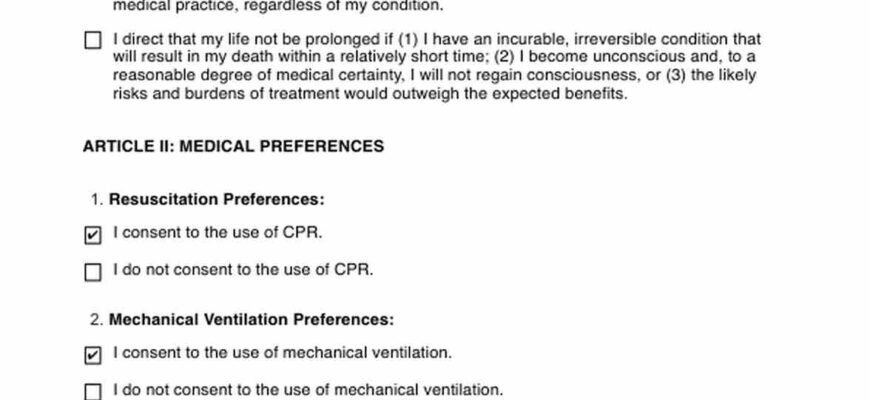
A living will, often referred to as an advance directive, outlines your preferences regarding medical treatments and life-sustaining measures in situations where you cannot voice your wishes. This legal document primarily addresses scenarios involving terminal illnesses, severe injuries, or end-stage conditions. It differs from a typical will, which deals with the distribution of assets after death.
How to Create a Living Will
Creating a living will involves several key steps:
- Evaluate your medical treatment preferences.
- Discuss your choices with family members and healthcare professionals.
- Select a healthcare proxy or agent who can make decisions on your behalf.
- Consult an attorney specializing in estate planning to draft your living will according to state laws.
- Review and update the document regularly to reflect any changes in your preferences or medical condition.
Benefits of Having a Living Will
Having a living will offers numerous benefits:
- Ensures your medical treatment preferences are followed.
- Reduces stress and conflict among family members during difficult times.
- Prevents the legal and emotional complications of guardianship proceedings.
- Clarifies your choices, minimizing uncertainties about your healthcare directives.
Living Will vs. Durable Power of Attorney: Which is Better?
A living will and a durable power of attorney for healthcare serve complementary roles in ensuring your healthcare preferences are honored. While a living will specifies your medical treatment wishes, a durable power of attorney designates someone (a proxy or agent) to make medical decisions on your behalf if you cannot do so.
It’s generally advisable to have both documents, as they offer a comprehensive approach to healthcare planning, covering both your specific wishes and unforeseen circumstances where immediate decisions are required.
Common Mistakes in Drafting a Living Will
When drafting a living will, avoid these common pitfalls:
- Not being specific enough about your treatment preferences.
- Failing to update the document with changing preferences or medical advancements.
- Neglecting to communicate your wishes with family or designated healthcare agents.
- Ignoring the need for legal advice to ensure the document is valid and enforceable.
Is it Possible to Amend a Living Will?
Yes, amending a living will is possible and often necessary as your preferences or health conditions change over time. To amend your living will:
- Review the existing document with a legal advisor.
- Communicate changes to your healthcare proxy or agent and family members.
- Formally update and notarize the revised document to ensure its validity.
Living Will Costs: What to Expect
The cost of drafting a living will varies depending on several factors, including legal fees, document complexity, and geographical location. On average, expenses can range from $250 to $500 when working with an attorney. DIY options, such as online templates, are more affordable but may lack customization and legal compliance checks, which are essential for ensuring enforceability.
State-Specific Requirements for Living Wills
It’s crucial to understand that living will requirements differ from state to state. Some states may have specific forms, witnessing requirements, or execution protocols. Therefore, consulting with a legal professional familiar with your state’s laws is crucial to ensure your living will is executed correctly and recognized as legally binding.
Frequently Asked Questions about Living Wills
What is the purpose of a living will?
A living will serves to communicate your medical treatment preferences to healthcare providers and family members in case you become incapacitated and cannot express your wishes.
Can I write my own living will without a lawyer?
While it is possible to draft a living will without a lawyer using online templates, professional legal advice is recommended to ensure the document meets state-specific requirements and is enforceable.
What should be included in a living will?
A living will should include instructions on medical treatments you accept or refuse, preferences for life-sustaining measures, pain management options, and your healthcare proxy designation.
Is a living will legally binding?
Yes, a living will is legally binding if it is properly drafted according to state laws, executed correctly, and reflects your current wishes regarding medical treatment.
How often should I update my living will?
Updating your living will is important whenever significant life changes occur, such as a change in marital status, diagnosis of a serious illness, or changes in your personal preferences or beliefs.







