Understanding Ingrown Hair: What Does It Look Like?
Ingrown hairs are a common skin concern that many people face, especially after shaving or waxing. Recognizing what an ingrown hair looks like is crucial in addressing and preventing this issue effectively. In this comprehensive guide, we’ll explore the appearance of ingrown hairs, reasons why they occur, and how you can best manage them. With insights from dermatology experts, we’ll provide you with the detailed information you need to say goodbye to this pesky skin problem.
What Is an Ingrown Hair?
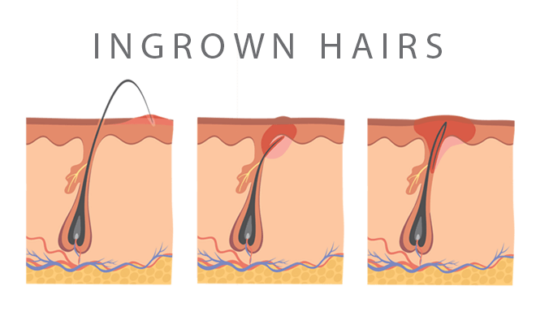
An ingrown hair occurs when a hair grows back into the skin instead of rising up from it. This can lead to irritation, redness, and sometimes more severe issues like infection. Commonly affected areas include the face, legs, underarms, and the bikini line. While they can affect anyone, people with curly or coarse hair types may experience them more frequently.
What Does an Ingrown Hair Look Like?
Ingrown hairs often appear as small, raised bumps on the skin. They may be red, itchy, or even painful to the touch. In some cases, ingrown hairs can become infected, forming pus-filled sores that resemble small pimples. You might also notice visible hair trapped beneath the skin, which can appear as a dark or shadowy spot.
- Appearance: Red, raised, or inflamed bumps.
- Location: Commonly on shaved or waxed areas.
- Texture: Bumpy or pimple-like spots.
Causes of Ingrown Hairs
Ingrown hairs are primarily caused by improper hair removal techniques, such as shaving against the grain or using dull razors. Other contributing factors include wearing tight clothing that rubs against the skin and having naturally curly or coarse hair, which is more likely to bend back into the skin. Here are more details that highlight the root causes:
- Shaving Habits: Shaving too closely or with a dull razor can lead to hair growing back into the skin.
- Waxing and Tweezing: Removing hair from the roots can sometimes lead to hair curling back into the skin.
- Tight Clothing: Garments that apply pressure or friction can cause hair to retrace into the skin.
- Natural Hair Type: Curly or coarse hair tends to grow upward and is prone to becoming ingrown.
How to Prevent Ingrown Hairs
Preventing ingrown hairs involves adopting proper hair removal techniques and maintaining good skincare habits. Here are some tips to help prevent occurrence:
- Exfoliate Regularly: Use a gentle scrub or exfoliation brush to remove dead skin cells and help hairs grow correctly.
- Use a Sharp Razor: Always shave with a clean, sharp razor to avoid tugging and irritation.
- Shave in the Right Direction: Shave in the direction of hair growth to minimize irritation.
- Moisturize Your Skin: Keeping skin hydrated can minimize dryness and irritation.
Treatment for Ingrown Hairs
If you already have ingrown hairs, there are several treatments available. Mild cases often resolve on their own, but more severe or persistent ingrown hairs may require treatment:
- Warm Compress: Applying a warm, damp cloth to the area can help soften the skin and encourage the hair to break through.
- Tweezers: Sterilized tweezers can sometimes be used to gently tease the hair out. Be sure to avoid pulling or digging into the skin.
- Exfoliating Scrub: Use an exfoliating product to remove dead skin and free the trapped hair.
- Topical Treatments: Products containing salicylic acid, glycolic acid, or benzoyl peroxide can help reduce inflammation and exfoliate the skin.
Home Remedies for Ingrown Hairs
Many individuals prefer using natural remedies to treat ingrown hairs at home. These remedies can be effective for mild cases and incorporate common household items:
| Home Remedy | How It Works |
|---|---|
| Sugar Scrub | Acts as a natural exfoliant to remove dead skin cells and free trapped hairs. |
| Tea Tree Oil | Has antibacterial properties that help reduce infection and swelling. |
| Aloe Vera | Soothes and hydrates the skin to promote healing. |
When to Seek Medical Advice
While most ingrown hairs are harmless, if you’re experiencing significant discomfort, or if the ingrown hair becomes badly infected, you should seek medical advice. Dermatologists are equipped to provide advanced treatments and prescribe medication if necessary.
FAQs About Ingrown Hairs
- How can I identify an ingrown hair?
Look for red, raised bumps that may itch or carry pus. The area will often be painful to the touch.
- Is it possible to prevent ingrown hairs?
Yes, you can prevent them by exfoliating regularly, using a sharp razor, and shaving in the direction of hair growth.
- What should I avoid when treating ingrown hairs?
Avoid picking or scratching at the ingrown hair to prevent infection and scarring.
- Can ingrown hairs cause complications?
Yes, if not treated properly, they can lead to infections or scars. Severe cases may require medical attention.
- What is the best over-the-counter product for ingrown hairs?
Look for serums containing salicylic acid or benzoyl peroxide. These help to exfoliate and reduce inflammation.







