- Introduction to Spoofing
- What is Spoofing?
- How Does Spoofing Work?
- Why is Spoofing a Threat?
- Spoofing Prevention Techniques
- Common Mistakes in Managing Spoofing
- Is it Possible to Completely Avoid Spoofing?
- Spoofing in Financial Markets
- Comparing Spoofing to Other Cyber Threats
- FAQ About Spoofing
- What is spoofing in cybersecurity?
- How can email spoofing be prevented?
- What are common types of spoofing?
- Is spoofing illegal?
- Can spoofing be detected?
Introduction to Spoofing
Spoofing is a critical concept in the realm of cybersecurity and networking that has various implications in both digital security and financial transactions. Understanding spoofing is vital for businesses, individuals, and anyone involved in the management of sensitive data. But what exactly does spoofing mean? In this article, we will delve deep into the meaning of spoofing, exploring its different types, how it can be executed, its consequences, and the measures you can take to prevent it. Our goal is to provide a comprehensive overview that addresses all related search queries to help you grasp this essential topic.
What is Spoofing?
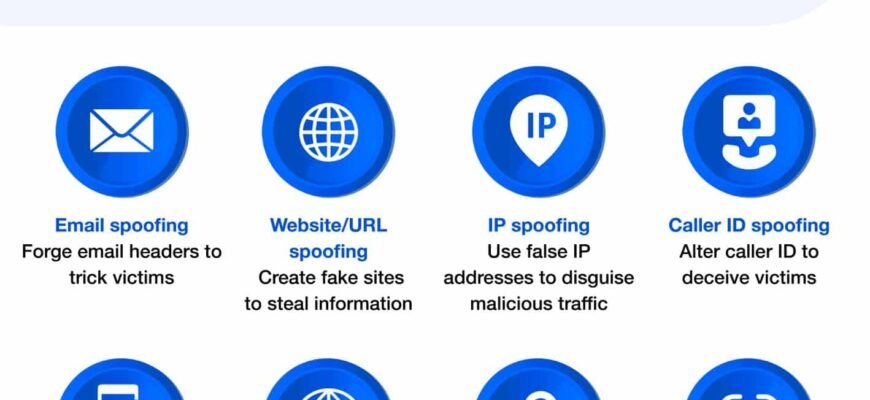
Spoofing refers to the act of disguising a communication from an unknown source as being from a known, trusted source. It can take various forms, such as email spoofing, IP spoofing, and GPS spoofing, all with the purpose of deceiving a recipient for malicious intent. Spoofing is commonly used in phishing attacks, where attackers trick recipients into providing sensitive information.
- Email Spoofing: Forging the sender’s address on an email.
- IP Spoofing: Sending messages from a false IP address.
- GPS Spoofing: Manipulating GPS signals to mislead receivers.
How Does Spoofing Work?
Spoofing typically involves the modification of packet headers or sender information to trick systems or individuals into believing they are interacting with a legitimate source. For instance, in email spoofing, attackers may alter the “From” field in an email header to make it appear as if the email is from a trusted contact or organization. IP spoofing attackers send packets of data from a counterfeit IP address, which can bypass security measures relying on IP filtering.
| Type of Spoofing | Description | Common Usage |
|---|---|---|
| Email Spoofing | Creation of fake email headers. | Phishing attacks |
| IP Spoofing | Sending data packets with a forged IP address. | Denial-of-service attacks |
| GPS Spoofing | Altering GPS signals. | Navigation misleading |
Why is Spoofing a Threat?
Spoofing poses significant threats as it can lead to unauthorized access to sensitive data, financial loss, and breach of privacy. Cybercriminals use spoofing techniques to execute various attacks such as identity theft, system infiltration, and fraud. These activities can severely impact individuals and organizations by compromising personal information, financial details, and even leading to legal ramifications.
Spoofing Prevention Techniques
Preventing spoofing involves using a combination of security practices and technologies. Here are some effective methods:
- Authentication Protocols: Use SPF, DKIM, and DMARC for email authenticity.
- Firewalls and Anti-Virus Software: Employ robust security solutions to detect unusual activities.
- Education and Awareness: Train staff in recognizing spoofing attempts.
Common Mistakes in Managing Spoofing
Organizations often make crucial mistakes in handling spoofing threats, such as:
- Ignoring Security Updates: Failing to update software can leave systems vulnerable.
- Insufficient Training: Employees not trained to recognize threats are more susceptible.
- Lack of Monitoring: Failing to monitor systems allows spoofing attempts to go unnoticed.
Is it Possible to Completely Avoid Spoofing?
While it is challenging to completely eliminate the risk of spoofing, adopting comprehensive security measures significantly reduces the likelihood. Staying informed about emerging threats and constantly updating your security protocols are key strategies.
Spoofing in Financial Markets
Spoofing is also prevalent in financial trading, where it involves placing orders to manipulate market perception. The goal is to create a false sense of demand or supply and then cancel the orders before execution. Regulatory bodies have stringent penalties for such practices to maintain market integrity.
Comparing Spoofing to Other Cyber Threats
Spoofing differs from other cyber threats such as phishing and malware in its method and intent. While phishing often leverages spoofing to deceive, it specifically aims to extract information. Malware involves malicious software to disrupt systems. Understanding these nuances helps in implementing more targeted security measures.
FAQ About Spoofing
What is spoofing in cybersecurity?
Spoofing in cybersecurity involves disguising communication from an unknown source as coming from a known source, often to gain unauthorized access or information.
How can email spoofing be prevented?
Email spoofing can be prevented with authentication techniques like SPF, DKIM, and DMARC, combined with user awareness and robust email filtering.
What are common types of spoofing?
Common types include email spoofing, IP spoofing, and GPS spoofing, each involving manipulating information to deceive.
Is spoofing illegal?
Yes, spoofing is illegal, especially when used to defraud or cause harm. Laws and penalties vary by jurisdiction.
Can spoofing be detected?
Spoofing can often be detected using advanced cybersecurity measures, monitoring suspicious activities, and employing security software.
json
This format provides both an HTML article suitable for WordPress and a JSON-LD markup for enhanced SEO, structured around relevant spoofing queries and comprehensive information.







