- Introduction to Servant Leadership
- What Is Servant Leadership?
- Principles of Servant Leadership
- How to Implement Servant Leadership
- Servant Leadership vs. Traditional Leadership Models
- Is It Possible to Measure Servant Leadership?
- Which Is Better: Servant Leadership or Other Models?
- Common Mistakes When Adopting Servant Leadership
- Cost of Implementing Servant Leadership
- Frequently Asked Questions About Servant Leadership
Introduction to Servant Leadership
Servant leadership is a powerful leadership philosophy that emphasizes the well-being of employees as a primary goal, aiming to foster a supportive and empathetic work environment. A stark contrast to traditional leadership models, servant leadership prioritizes serving others and ensuring community growth and individual well-being. But what exactly does this concept entail, and how can it be effectively implemented in today’s dynamic business environment?
What Is Servant Leadership?
Originating with Robert K. Greenleaf in the 1970s, servant leadership focuses on leaders serving their teams rather than exerting power over them. This approach shifts the typical hierarchy to support and empower employees, nurturing their professional development and personal fulfillment.
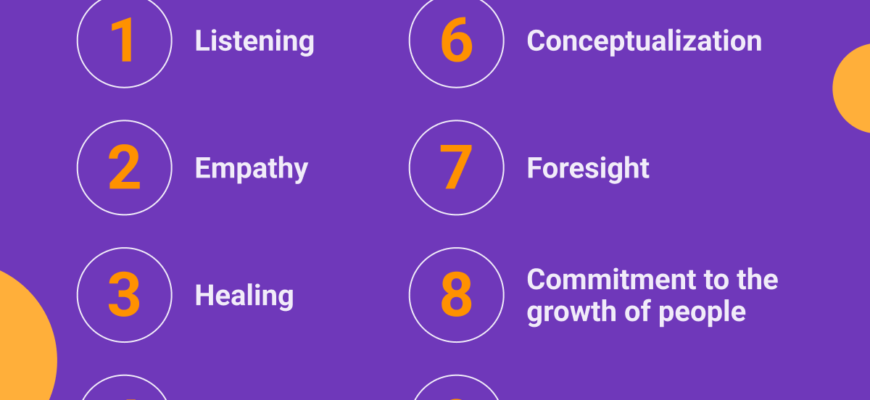
Principles of Servant Leadership
- Listening: Actively valuing the input and perspectives of team members.
- Empathy: Understanding and sharing the feelings of others.
- Healing: Promoting emotional and mental well-being.
- Awareness: Maintaining a strong understanding of self and others.
- Persuasion: Influencing through dialogue rather than authority.
- Conceptualization: Nurturing creativity and innovation.
- Foresight: Anticipating future needs and consequences.
- Stewardship: Taking responsibility for organizational resources.
- Commitment to growth: Supporting the personal and professional growth of team members.
- Building community: Fostering a sense of belonging and connection within the organization.
How to Implement Servant Leadership
To effectively practice servant leadership, managers and executives can follow these strategies:
- Prioritize the needs and development of team members.
- Encourage open communication and feedback.
- Promote a culture of trust and collaboration.
- Empower employees by delegating authority and responsibility.
- Focus on long-term goals and shared vision.
Servant Leadership vs. Traditional Leadership Models
Unlike traditional leadership models prioritizing vision and directive approaches, servant leadership enhances organizational ethics and employee satisfaction. Here’s a comparison:
| Aspect | Traditional Leadership | Servant Leadership |
|---|---|---|
| Primary Focus | Company goals and profitability | Individual growth and well-being |
| Leadership Style | Directive and authoritative | Supportive and collaborative |
| Decision-Making | Centralized | Decentralized |
| Employee Role | Task-oriented | Development-oriented |
Is It Possible to Measure Servant Leadership?
Yes, implementing surveys and feedback tools can capture employee satisfaction and engagement levels, which are key indicators of servant leadership effectiveness. Monitoring team productivity and overall morale can also provide insight into the success of this approach.
Which Is Better: Servant Leadership or Other Models?
Determining the better leadership model depends on organizational goals and culture. Servant leadership excels in environments prioritizing employee welfare and empowerment, while traditional models may be preferable in situations demanding top-down decision-making and rapid outcomes.
Common Mistakes When Adopting Servant Leadership
- Not setting clear boundaries, which can lead to confusion.
- Failing to provide adequate training and resources for leaders.
- Overemphasizing service without maintaining accountability.
- Neglecting measurable outcomes and performance metrics.
Cost of Implementing Servant Leadership
While the cost of implementing servant leadership varies, potential expenses include training programs, workshops, and the time investment required for cultural shifts. However, these costs can be offset by the benefits of improved employee retention and engagement.
Frequently Asked Questions About Servant Leadership
- What is the core of servant leadership? – Servant leadership centers on serving others and prioritizes the growth and well-being of team members.
- How do you practice servant leadership? – By listening actively, providing support, and empowering team members.
- What are the challenges of servant leadership? – It includes maintaining a balance between service and accountability and adapting to organizational culture.
- Can anyone be a servant leader? – Yes, with the right mindset and dedication to personal development and the growth of others.
- Is servant leadership effective? – It can be highly effective in fostering a positive and empowering work environment.







