Introduction to CAT Scanners
CAT scanners, also known as CT scanners, have become an integral tool in medical diagnostics. They offer a unique ability to provide detailed internal images of the body, aiding in the diagnosis of numerous conditions. Understanding how a CAT scanner works and its applications can help demystify this advanced technology. In this article, we will explore the workings of CAT scanners, discuss how they compare to other imaging technologies, and examine common uses and errors.
How Does a CAT Scanner Work?
Certainly, the core mechanism of a CAT scanner involves utilizing X-rays and a computer to create cross-sectional images of the body. The patient lies on a bed that slides into the circular opening of the scanner. Inside the machine, a rotating ring, called a gantry, holds the X-ray source and detectors. As the gantry rotates, X-rays pass through the body, and the detectors collect data to create detailed images of organs and tissues.
The Science Behind CAT Scan Images
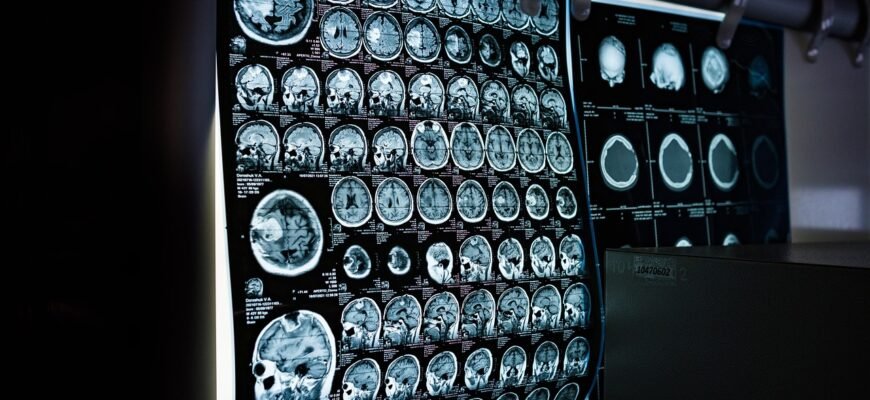
CAT scans create images using contrast. Different tissues absorb X-rays at different rates, which helps the scanner’s computer to delineate various structures within the body. This process results in a series of ‘slices’, or cross-sectional images, that can be compiled into 3D models for comprehensive analysis.
Differences Between CAT Scans and Other Imaging Techniques
Certainly, CAT scans differ from MRI and ultrasound in various ways. While MRIs use magnetic fields and radio waves, and ultrasounds use sound waves, CAT scans rely on X-rays. Therefore, choosing between these imaging techniques depends largely on the clinical requirement: MRIs are better for soft tissue examination, ultrasounds for real-time imaging, while CAT scans are often chosen for their speed and detail in emergency settings.
Applications of CAT Scanners in Medicine
- Identifying fractures and lesions.
- Diagnosing cancer and heart disease.
- Guiding biopsies and radiation therapy.
- Assessing internal injuries and bleeding.
Risks and Precautionary Measures
While CAT scans are generally safe, they do involve exposure to a small amount of radiation. For most adults, the benefits outweigh the risks, but precautions should be considered for pregnant women and children. Doctors generally recommend alternatives or minimized exposure when necessary. It’s also important to follow pre-scan instructions regarding the use of contrast dye, which some patients may react to.
Common Errors in CAT Scanning
Errors in CAT scans can occur due to movement, incorrect patient positioning, or technical issues. Ensuring patient cooperation and regular machine maintenance are critical steps in minimizing errors. Additionally, interpreting scans requires skill and experience, as misreading can lead to misdiagnosis.
Cost and Accessibility of CAT Scans
The cost of a CAT scan varies widely depending on geographic location, insurance coverage, and the complexity of the scan. On average, a CAT scan can range from a few hundred to several thousand dollars. However, they remain accessible in most hospitals and imaging centers worldwide, facilitating timely and effective medical diagnostics.
Conclusion
Understanding how CAT scanners work can provide valuable insight into their role and applications in modern medicine. This technology continues to evolve, improving diagnostic accuracy and patient outcomes. Whether evaluating complex illnesses or guiding treatment, CAT scans remain a cornerstone of medical imaging.
FAQ
- What does a CAT scanner stand for? – CAT stands for Computed Axial Tomography.
- How is a CAT scan performed? – A patient lies on a bed that enters the scanner, and machines use X-rays to create body images.
- Which is better, CAT scan or MRI? – It depends on the condition, as CAT scans are quick, while MRIs are better for soft tissues.
- Is it possible to have multiple CAT scans? – Yes, but one should consult with a doctor regarding radiation exposure.
- What is the cost of a CAT scan? – Costs vary widely, typically ranging from a few hundred to several thousand dollars.







