Understanding the Meaning of Morning Wood
Morning wood, scientifically known as nocturnal penile tumescence (NPT), is a common phenomenon that typically occurs in males. It’s an event where erect penile activity happens during sleep or upon waking. While many may find this a curious occurrence, it is a natural part of male physiology. In this comprehensive article, we will explore various aspects of morning wood, including its causes, significance, and frequency. We will also answer common questions surrounding this intriguing subject.
What is Morning Wood?
Morning wood refers to the condition where the penis becomes erect during sleep and upon waking. This can occur without any conscious sexual arousal. It’s a signal of healthy erectile function and involves several physiological processes. Generally, men experience this throughout different stages of REM (Rapid Eye Movement) sleep.
Causes of Morning Wood
Morning wood occurs primarily due to hormonal fluctuations and neural activity during sleep. The increase in testosterone levels in the morning hours contributes significantly to this phenomenon. Moreover, during REM sleep, the body experiences lower levels of certain neurotransmitters that normally inhibit erections, allowing them to happen naturally.
Significance of Morning Wood
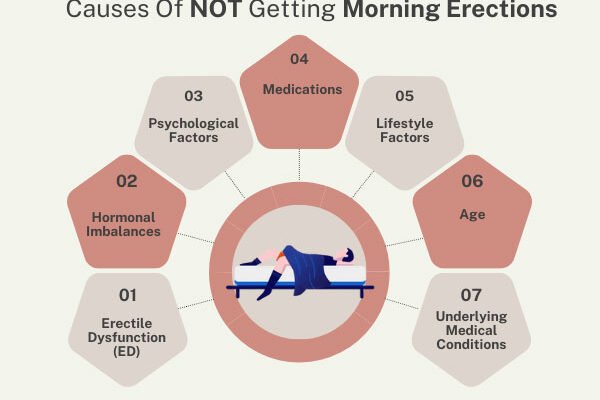
Not only is morning wood an indicator of a functioning and healthy penile blood supply, but it is also considered a sign of good overall endocrine health. The presence of regular morning wood can help diagnose any underlying erectile dysfunction, as its absence might signal issues worthy of medical exploration.
How Often Should Morning Wood Occur?
For many males, morning wood is a frequent experience, occurring multiple times a week. However, the frequency can vary widely among individuals. Factors such as age, overall health, and lifestyle can play pivotal roles in how often one experiences morning wood.
Age and Morning Wood
During adolescence and early adulthood, morning wood tends to be more common and regular. As men age, the frequency of morning wood can decline. This normal decline with age, however, varies individually, and lifestyle factors can significantly influence this pattern.
Common Mistakes and Misconceptions
- Assuming morning wood always signifies sexual desire.
- Believing all men must experience morning wood without fail.
- Thinking absence of morning wood immediately indicates health issues.
Can Morning Wood Be Improved?
Yes, experiencing morning wood can often be influenced by factors within one’s control. Ensuring a healthy lifestyle, maintaining a balanced diet rich in nutrients, regular physical exercise, adequate sleep, and managing stress effectively can improve overall penile health and frequency of morning wood.
Frequently Asked Questions (FAQs)
- What is morning wood? Morning wood, or nocturnal penile tumescence, is an erection that occurs during sleep or upon waking.
- How often does morning wood occur? The frequency varies, but it’s common for young men to experience it several times a week.
- At what age does morning wood start? Morning wood starts to occur during puberty and is most frequent during adolescence and early adulthood.
- Does lack of morning wood mean erectile dysfunction? Not necessarily, but persistent absence can be a sign to seek medical advice.
- Can a healthy lifestyle impact morning wood? Yes, a healthy lifestyle can positively affect the frequency and health of morning wood.
Conclusion
Morning wood is a natural and healthy occurrence indicative of good male health. While often misunderstood, it bears significant diagnostic value in assessing men’s health. A balanced lifestyle, with appropriate medical consultation when necessary, ensures that this phenomenon remains a check feedback for male endocrine and physical wellness.
json







