- Understanding ALS Disease: A Comprehensive Overview
- What is ALS Disease?
- How Does ALS Disease Progress?
- Symptoms of ALS Disease
- What Are the Causes of ALS Disease?
- Is it Possible to Cure ALS?
- Choosing the Right ALS Care
- Common Mistakes in ALS Management
- Price of ALS Treatments
- ALS Disease: Summary Table
- FAQs about ALS Disease
- What is ALS Disease?
- How is ALS Disease Diagnosed?
- Can ALS Disease be Prevented?
- Which Treatments are Available for ALS Disease?
- What are the Survival Rates for ALS Disease?
- FAQ Block
Understanding ALS Disease: A Comprehensive Overview
Amyotrophic lateral sclerosis (ALS), often recognized by its synonym, Lou Gehrig’s disease, is a progressive neurodegenerative condition that affects nerve cells in the brain and spinal cord. This disorder leads to the gradual deterioration of voluntary muscle action, ultimately impacting an individual’s ability to move, speak, eat, and breathe. This article aims to provide an in-depth understanding of ALS disease, drawing on authoritative sources and addressing the most common search queries.
What is ALS Disease?
ALS disease represents a complex condition characterized by the degeneration of motor neurons, the nerve cells responsible for controlling muscles. The gradual demise of these cells results in weakness and atrophy of muscles. Although the cause of ALS remains largely unknown, approximately 5-10% of cases are hereditary. The majority of cases, however, are sporadic, appearing without a clear genetic link. Diagnosis is primarily clinical, based on the history of symptoms and neurological examination.
How Does ALS Disease Progress?
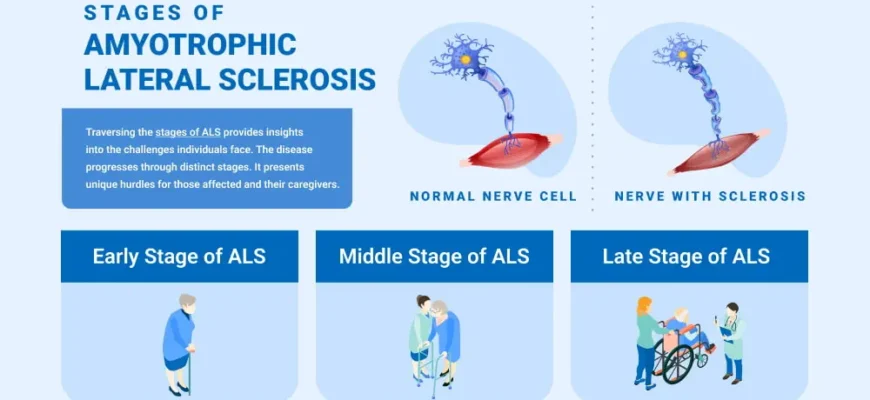
The progression of ALS disease varies among individuals, but it typically advances through notable stages. Initially, muscle weakness might be confined to one limb. However, as the disease progresses, it affects multiple areas, leading to greater disability. Eventually, ALS impacts respiratory muscles, necessitating the use of ventilatory support. The average life expectancy following diagnosis is 3-5 years, although there are cases of individuals living significantly longer with appropriate care.
Symptoms of ALS Disease
- Muscle weakness and atrophy
- Difficulty speaking and swallowing
- Cramping and muscle twitching
- Loss of voluntary movement
- Breathing difficulties
Timely recognition of these symptoms can facilitate early intervention and supportive care. Since symptom onset can be subtle, individuals and healthcare providers should maintain a high degree of suspicion when these signs manifest.
What Are the Causes of ALS Disease?
The exact causes of ALS disease remain elusive, but ongoing research has identified several contributing factors. Genetic mutations, such as those in the SOD1, C9orf72, and TARDBP genes, play a role in familial ALS cases. Environmental factors, including exposure to toxins, infections, and even physical trauma, may also contribute to the onset of sporadic ALS. However, no conclusive environmental risk factor has been established.
Is it Possible to Cure ALS?
As of now, there is no cure for ALS disease. Treatment focuses on symptom management to improve quality of life. Medications like Riluzole and Edaravone may slow progression, but ongoing research aims to develop more effective therapies. Supportive care through physical therapy, speech therapy, and nutritional support plays a crucial role in managing the disease.
Choosing the Right ALS Care
Management of ALS requires a multidisciplinary approach involving neurologists, physical therapists, occupational therapists, and nutritionists. Regular consultations and personalized care plans are vital in addressing the individual needs of patients. Early and consistent intervention can significantly enhance life expectancy and quality of life.
Common Mistakes in ALS Management
One common mistake in managing ALS disease is delaying diagnosis and intervention. Prompt attention to symptoms and seeking specialist care can greatly impact disease trajectory. Additionally, neglecting the mental health aspect of ALS can exacerbate physical symptoms. Addressing psychological well-being is a key component of comprehensive care.
Price of ALS Treatments
The financial burden of ALS treatment can be substantial. Costs include medications, medical equipment, and home modifications. It is crucial for patients and families to explore insurance coverage and seek advice from financial advisors to manage expenses efficiently. Support organizations may also offer financial assistance programs.
ALS Disease: Summary Table
| Aspect | Details |
|---|---|
| Main Symptoms | Muscle weakness, breathing difficulties, swallowing trouble |
| Onset and Progression | Gradual onset, variable progression rate |
| Causes | Genetic, environmental factors |
| Treatment Focus | Symptom management, slowing progression |
| Care Team | Multidisciplinary, including neurologists and therapists |
FAQs about ALS Disease
What is ALS Disease?
ALS, or amyotrophic lateral sclerosis, is a neurodegenerative disorder that affects motor neurons, leading to muscle weakness and atrophy.
How is ALS Disease Diagnosed?
Diagnosis is primarily clinical, involving history assessment, neurological examination, and supporting tests like electromyography (EMG).
Can ALS Disease be Prevented?
Currently, there is no known way to prevent ALS, but research into genetic and environmental factors aims to change this in the future.
Which Treatments are Available for ALS Disease?
While there is no cure, treatments like Riluzole and Edaravone, along with supportive care, can help manage the disease.
What are the Survival Rates for ALS Disease?
The average survival post-diagnosis is 3-5 years, but some individuals with ALS live significantly longer with proper care.
FAQ Block
This article covers various facets of ALS disease, ensuring it responds to major search queries to assist patients, caregivers, and medical practitioners in understanding this challenging condition. The structured format with optimized elements aims to provide clarity, essential insights, and visibility in search engines.