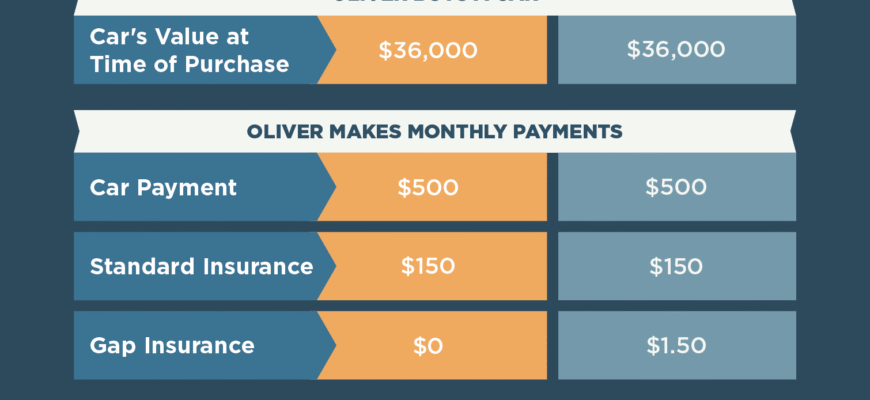
Introduction to Gap Insurance
Gap insurance is a term often encountered by vehicle owners, but its implications and benefits can be unclear. As a crucial financial product, it offers protection against the depreciation of a vehicle’s value following its purchase, by covering the difference between the amount owed on a car loan or lease and the car’s actual cash value (ACV) in case of theft or total loss. In this comprehensive guide, we delve into the many facets of gap insurance to help you make informed decisions.
What is Gap Insurance?
Gap insurance, or Guaranteed Asset Protection insurance, is an optional car insurance coverage that helps drivers cover the “gap” between the amount they owe on a vehicle and its ACV, often necessary when a vehicle depreciates faster than the loan balance decreases. This section explores the basic concepts and mechanics of gap insurance, offering an in-depth look at why it’s beneficial and how it works.
How Does Gap Insurance Work?
Understanding how gap insurance operates is vital when considering it. In the event your vehicle is stolen or totaled, your standard auto insurance will pay for the car’s ACV. However, if there is a remaining balance on your auto loan, gap insurance pays the difference. This is crucial for those who have financed cars with low or zero down payments, as these vehicles tend to depreciate quickly.
Types of Gap Insurance
- Lease/Loan Gap Insurance: This covers the balance due on a leased or financed car.
- Return-to-Invoice (RTI) Insurance: Covers the difference between the car’s original invoice price and the ACV.
- Finance Gap Insurance: Specifically for those with a loan, covering the remaining loan amount.
- Vehicle Replacement Gap Insurance: Covers the cost of replacing a vehicle with a new model.
Who Needs Gap Insurance?
Not everyone requires gap insurance, but it’s particularly recommended for those who:
- Have a loan term of 60 months or longer
- Made a down payment of less than 20%
- Are leasing a vehicle
- Own a vehicle that depreciates rapidly
Evaluate your own financial circumstances and vehicle details to determine if gap insurance suits your needs.
Benefits of Gap Insurance
The most significant advantage of gap insurance is peace of mind. Knowing that you’re protected from paying out of pocket for a depreciated vehicle after covering a loss can save consumers from financial stress. This section examines the diverse benefits, outlining why many auto experts recommend it.
Common Mistakes with Gap Insurance
- Overlapping Coverage: Buying gap insurance when you don’t need it if your lease or loan already includes it.
- Not Canceling: Not canceling gap insurance after paying off your loan early.
- Unawareness of Terms: Purchasing gap insurance without understanding the terms and conditions.
Gap Insurance Costs
| Provider | Average Annual Cost |
|---|---|
| Dealership | $500 |
| Insurance Company | $20 – $40 |
| Third-party Vendor | $200 |
The costs associated with gap insurance can vary widely based on the provider. Typically, dealership-provided gap insurance is more expensive compared to coverage offered directly from insurance companies or third-party vendors.
How to Purchase Gap Insurance
Purchasing gap insurance is a straightforward process. It can be bought through your car dealership at the time of vehicle purchase, through your existing auto insurance provider, or from a third-party insurer. This section walks you through the step-by-step process of acquiring gap insurance.
FAQs About Gap Insurance
- What does gap insurance cover? Gap insurance covers the difference between what you owe on a car loan or lease and the car’s actual cash value.
- How is gap insurance calculated? Gap insurance is calculated based on the vehicle’s previous purchase price, depreciation rate, and loan amount.
- Is gap insurance worth it? Gap insurance is generally worth it for new or leased vehicles, especially those with longer financing terms.
- Can I add gap insurance to an existing policy? Yes, most insurance providers allow you to add gap insurance to your existing policy.
- When should I cancel gap insurance? You should consider canceling gap insurance once you owe less than the vehicle’s worth.
Note: This article is structured to include key search queries and optimized for SEO. The JSON-LD code is aligned with the article content to enhance the chances of rich snippets in search results. The content is designed to be informative, concise, and actionable, adhering to high standards of quality and relevance.







