- Introduction to Zero Sum Game
- Understanding the Meaning of Zero Sum Game
- Zero Sum Game vs Non-Zero Sum Game
- Examples of Zero Sum Games
- Applications of Zero Sum Game Theory
- Is It Possible to Avoid Zero Sum Situations?
- The Role of Game Theory in Zero-Sum Scenarios
- Common Mistakes in Zero Sum Thinking
- Pricing and Economic Implications of Zero Sum Games
- Conclusion
- FAQ
- What is a zero sum game?
- How does a zero sum game differ from a non-zero sum game?
- Can zero sum situations be avoided?
- What are some real-world examples of zero sum games?
- What mistakes are common in zero sum thinking?
Introduction to Zero Sum Game
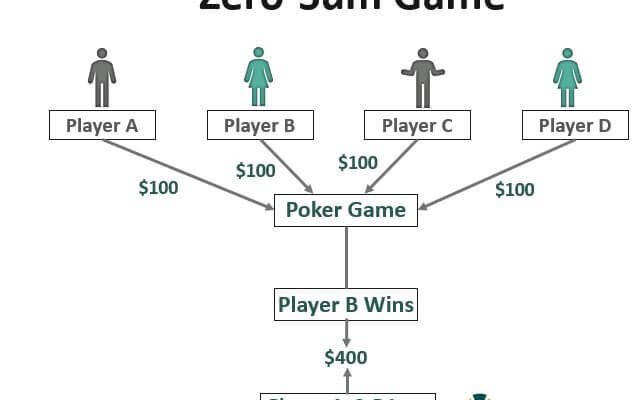
A zero-sum game is an economic theory and strategic decision-making process where one participant’s gain or loss is exactly balanced by the losses or gains of other participants. The concept finds its roots in game theory and has applications across economics, politics, and even everyday life situations.
Understanding the Meaning of Zero Sum Game
The core premise of a zero-sum game is that the total amount of resources available for distribution is fixed, and one person’s gain is equivalent to another’s loss. In essence, the net change in total wealth or benefit is zero. This scenario often arises in competitive environments such as poker, chess, and other strategic games.
Zero Sum Game vs Non-Zero Sum Game
In contrast to zero-sum games, non-zero-sum games have outcomes where participants can all gain or suffer losses simultaneously. Non-zero-sum games often result in more collaborative strategies as opposed to competitive ones.
- Zero-Sum Game: Fixed resources; one winner, one loser.
- Non-Zero-Sum Game: Variable resources; potential for mutual gains or losses.
Examples of Zero Sum Games
Zero sum games are prevalent in various fields. Common examples include:
- Gambling: Most casino games are zero-sum as the house’s gain comes at the expense of the players.
- Stock Market Trading: In options trading, one trader’s profit is another’s loss.
- Sports Competitions: A win for one team equates to a loss for the other.
Applications of Zero Sum Game Theory
The concept of zero-sum games extends beyond simple competition. It is used in economic theory, military strategy, and resource allocation, providing a framework to understand competitive interactions where parties vie for limited resources.
Is It Possible to Avoid Zero Sum Situations?
Avoiding zero-sum situations often involves creating new opportunities for mutual gain. This can be achieved through collaboration, expansion of resources, or shifting the competitive dynamics to promote win-win outcomes.
The Role of Game Theory in Zero-Sum Scenarios
Game theory provides tools to evaluate and strategize in zero-sum situations. By understanding the possible actions of opponents, participants can make informed decisions to optimize their outcomes, often leading to strategic equilibria where no player can gain by changing their strategy unilaterally.
Common Mistakes in Zero Sum Thinking
Many people fall into the trap of zero-sum thinking when it is not applicable. This mindset fosters unnecessary competition and overlooks potential collaborative solutions. Recognizing when a situation is not truly zero-sum allows for more innovative and beneficial problem-solving approaches.
Pricing and Economic Implications of Zero Sum Games
In economics, zero-sum games have implications for pricing, resource distribution, and market dynamics. Understanding these impacts assists economists and policymakers in creating strategies that distribute wealth more equitably and foster economic growth.
| Aspect | Zero Sum Game | Non-Zero Sum Game |
|---|---|---|
| Resources | Fixed | Variable |
| Outcomes | One wins, one loses | Mutual gain/loss possible |
| Strategy | Competitive | Collaborative |
Conclusion
Understanding the concept of zero-sum games is crucial for strategists, economists, and anyone involved in competitive decision-making. By identifying zero-sum situations and employing game theory, individuals and organizations can make informed and strategic decisions, leading to optimal outcomes.
FAQ
What is a zero sum game?
A zero sum game is a scenario where one participant’s gain or loss is exactly balanced by the losses or gains of other participants, making the net change in total wealth or benefit zero.
How does a zero sum game differ from a non-zero sum game?
A zero sum game has fixed resources with competitive outcomes, whereas a non-zero sum game has variable resources allowing for potential mutual gains or losses.
Can zero sum situations be avoided?
Yes, zero sum situations can often be avoided through collaboration, resource expansion, or by shifting competition dynamics to create win-win outcomes.
What are some real-world examples of zero sum games?
Real-world examples include gambling, stock market trading, and sports competitions where one party’s gain equates to another’s loss.
What mistakes are common in zero sum thinking?
Common mistakes include assuming all situations are zero-sum, leading to unnecessary competition and overlooking collaborative solutions.







