- Understanding Myocardial Infarction: Symptoms and Insights
- What Is Myocardial Infarction?
- Recognizing the Symptoms of Myocardial Infarction
- Why Do Heart Attack Symptoms Vary?
- Prompt Action: What to Do in Case of Chest Pain?
- Understanding Risk Factors for Myocardial Infarction
- Treatment Options for Myocardial Infarction
- The Cost Implications of Heart Attack Treatment
- Myocardial Infarction Prevention Strategies
- FAQs: Your Myocardial Infarction Questions Answered
- Conclusion
Understanding Myocardial Infarction: Symptoms and Insights
Myocardial infarction, commonly known as a heart attack, is a serious medical condition that necessitates immediate attention. Recognizing the symptoms is crucial for timely intervention and can significantly impact the outcome for the patient. This article dives deep into the symptoms, causes, and answers common questions related to myocardial infarction.
What Is Myocardial Infarction?
A myocardial infarction occurs when the blood flow to a part of the heart is blocked for an extended period, causing heart muscle damage. The blockage is primarily due to fat, cholesterol, or other substances buildup, forming a plaque in the coronary arteries. Over time, the plaque may break away and form a clot, obstructing blood flow and leading to a heart attack.
Recognizing the Symptoms of Myocardial Infarction
Identifying the symptoms of a myocardial infarction is vital. Some symptoms are more typical, while others might be less apparent, particularly in women.
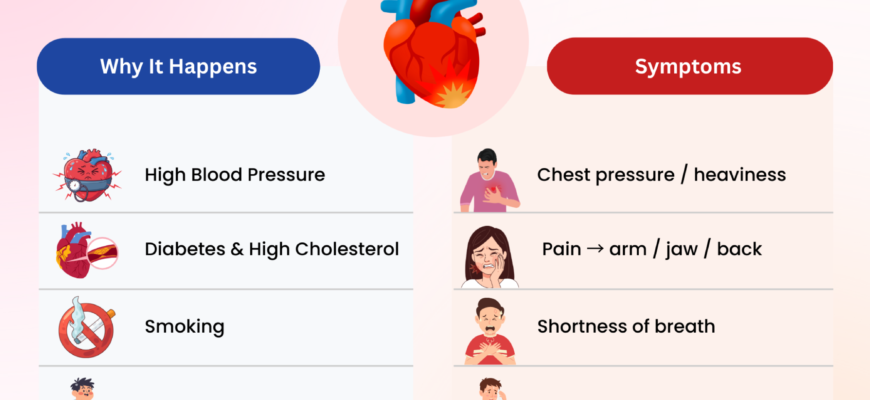
- Chest pain or discomfort: Often felt as a tightness, pressure, or squeezing sensation. It can last for a few minutes or come and go.
- Upper body pain: Pain or discomfort can extend to the shoulders, neck, back, jaw, or stomach.
- Shortness of breath: May occur with or without chest discomfort.
- Cold sweat, nausea, or lightheadedness: These symptoms are more prevalent in women.
Why Do Heart Attack Symptoms Vary?
Symptoms of myocardial infarction can vary because individual risk factors or health conditions might contribute to atypical presentations. Factors include age, gender, diabetes, and even previous heart attacks. For instance, women and the elderly may experience non-typical symptoms such as fatigue and nausea more often than others.
Prompt Action: What to Do in Case of Chest Pain?
Immediate action is essential if you suspect a heart attack. Call emergency services without delay. Meanwhile, try to keep the patient calm and seated, and if available, administer aspirin (unless allergic) while waiting for medical help to obstruct further blood clotting.
Understanding Risk Factors for Myocardial Infarction
Identifying and managing risk factors is a preventative measure against heart attacks. Common risk factors include:
- Smoking
- High blood pressure and cholesterol
- Obesity
- Diabetes
- Stress
A proactive approach towards lifestyle changes, such as a balanced diet and regular exercise, can significantly minimize the risk.
Treatment Options for Myocardial Infarction
Treatment of myocardial infarction involves a combination of medications, lifestyle changes, and in some cases, surgical interventions. Medications like thrombolytics dissolve blood clots, beta-blockers reduce heart workload, and statins lower cholesterol. Surgical procedures such as angioplasty or coronary bypass surgery might be needed to restore proper blood flow.
The Cost Implications of Heart Attack Treatment
The price of heart attack treatment varies widely depending on the healthcare system, location, and severity of the condition. While insurance may cover a substantial portion, out-of-pocket costs can still be significant, making preventive measures cost-effective over time.
Myocardial Infarction Prevention Strategies
Preventive strategies encompass maintaining a heart-healthy lifestyle, which includes a well-balanced diet rich in fruits, vegetables, and whole grains, limiting alcohol consumption, quitting smoking, and managing stress through relaxation techniques.
FAQs: Your Myocardial Infarction Questions Answered
- What is a myocardial infarction?
A myocardial infarction, or heart attack, is a medical emergency where blood flow to the heart is blocked, leading to tissue damage. - What are the symptoms of a heart attack?
Symptoms include chest pain, shortness of breath, upper body pain, cold sweats, and more. - How is a heart attack diagnosed?
Diagnosis typically involves an ECG, blood tests, and sometimes imaging studies like an angiogram. - Which foods help prevent myocardial infarction?
Foods rich in omega-3 fatty acids, fiber, and antioxidants, such as fish, nuts, and berries, are beneficial. - Is it possible to fully recover from a heart attack?
Recovering from a heart attack is possible, particularly with rehabilitation, lifestyle changes, and medications.
Conclusion
Understanding the symptoms and risk factors of myocardial infarction plays a critical role in prevention and management. By recognizing the signs early, seeking urgent medical care, and adopting heart-healthy habits, you can mitigate the risks associated with this life-threatening condition.







