- Understanding the Meaning of a Freelancer: A Comprehensive Guide
- What is a Freelancer?
- Why Choose Freelancing? Benefits and Considerations
- How Do You Become a Freelancer?
- Common Mistakes Freelancers Make
- Freelancer Income: What to Expect and How to Set Prices
- Freelancing Platforms and Tools
- Is Freelancing Right for You?
- Building a Successful Freelance Career
- FAQs about Freelancing
Understanding the Meaning of a Freelancer: A Comprehensive Guide
In today’s rapidly changing economic landscape, freelancing has become a buzzword that represents new opportunities and challenges. This exhaustive guide aims to clarify the meaning of a freelancer, explore the different facets of freelancing, and provide insights into how to thrive in this evolving career landscape.
What is a Freelancer?
A freelancer is an independent contractor who offers services to clients or businesses on a project or task basis. They are not bound by long-term contracts, allowing them flexibility in choosing the assignments they undertake. This kind of work arrangement can span various fields, including writing, graphic design, programming, and consulting.
The primary attributes of a freelancer include autonomy, self-direction, and the ability to work with multiple clients simultaneously. It also involves entrepreneurial elements, as freelancers manage their own schedules, taxes, and client relationships.
Why Choose Freelancing? Benefits and Considerations
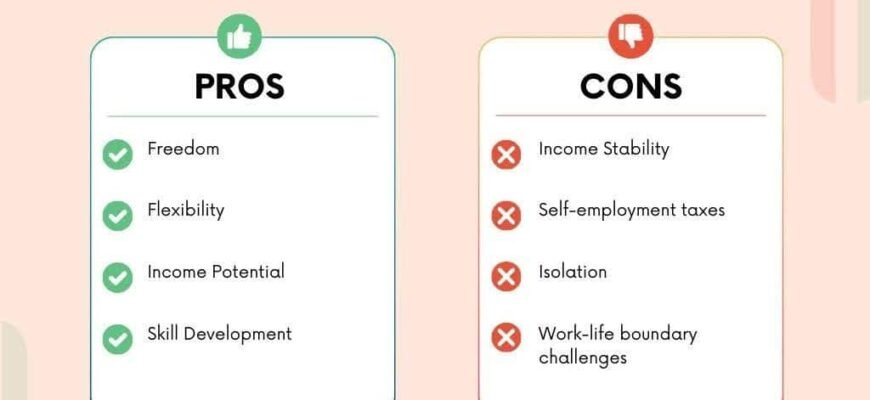
Freelancing offers several benefits. These include:
- Flexibility: Freelancers can create their own schedules and work environments.
- Diverse Opportunities: Working with various clients across different industries broadens experience and skills.
- Autonomy: Freelancers are their own bosses, giving them control over the types of projects they pursue.
- Potential for Higher Earnings: Successful freelancers can command higher pay rates due to their specialized skills and expertise.
However, freelancing also presents challenges such as inconsistent income, lack of job security, and the need for self-discipline.
How Do You Become a Freelancer?
Starting a freelancing career involves several steps:
- Identify Your Skills: Determine what service you can offer. It could be something you’re skilled at or passionate about.
- Create a Portfolio: Develop a portfolio that showcases your skills and past work, highlighting your expertise.
- Set Your Rates: Research market rates for your skills and set competitive yet fair pricing.
- Network: Use social media, join freelancing platforms, and attend industry events to connect with potential clients and other freelancers.
- Market Yourself: Create a professional online presence through your own website or portfolios on platforms like LinkedIn and Behance.
Common Mistakes Freelancers Make
Like any career path, freelancing has pitfalls. Common mistakes include:
- Underpricing Services: New freelancers sometimes undervalue their services to attract clients, but this can set a precedent that may harm future earnings.
- Overcommitting: Taking on more projects than they can handle can lead to burnout and compromise quality.
- Ignoring Contracts: Failing to set formal agreements can lead to payment disputes and misunderstandings.
Freelancer Income: What to Expect and How to Set Prices
Income for freelancers can vary widely based on industry, experience, and client base. It’s crucial to:
- Research Industry Standards: Understand what similar professionals are charging.
- Consider Costs: Account for business expenses, taxes, and downtime when setting rates.
- Review and Adjust: Regularly reassess and adjust pricing to match the value provided and market demand.
Freelancing Platforms and Tools
Freelancers utilize various platforms and tools to manage their work effectively:
| Tool/Platform | Function |
|---|---|
| Upwork | Find freelance projects and manage client interactions |
| Canva | Design graphics and marketing materials |
| Trello | Organize tasks and project timelines |
| QuickBooks | Manage finances and invoices |
Is Freelancing Right for You?
Assessing whether freelancing suits your career goals involves introspection and careful consideration of your personality and work habits:
- Pro: Flexibility and Independence – If you thrive in self-motivated environments, freelancing could be ideal.
- Con: Financial Uncertainty – Those who prefer stable income might find freelancing stressful.
Building a Successful Freelance Career
To excel as a freelancer, one must focus on continuous skill development and exceptional client service:
- Upskill Regularly: Stay abreast of industry trends and learn new tools or techniques to remain competitive.
- Client Relationships: Prioritize clear communication, deliver on promises, and seek feedback for continuous improvement.
- Time Management: Use productivity tools and techniques to manage workload efficiently.
FAQs about Freelancing
-
What does a freelancer mean?
A freelancer is an independent worker who provides services to clients without being tied to a permanent employer. They have the flexibility to choose projects and clients.
-
How do I start freelancing?
Begin by identifying your marketable skills, creating a strong portfolio, setting your rates, and marketing yourself through networks and online platforms.
-
Is freelancing better than a full-time job?
This depends on individual priorities. Freelancing offers flexibility and variety, while a full-time job provides stability and benefits.
-
Can anyone become a freelancer?
Almost anyone with marketable skills, discipline, and the motivation to maintain a business can become a freelancer.
-
What are common freelancing mistakes to avoid?
Avoid underpricing services, taking too much work, and neglecting formal agreements with clients.







