- Understanding the Meaning of a Venture Capitalist
- What is a Venture Capitalist?
- The Venture Capitalist Process
- Types of Venture Capital
- How Venture Capitalists Evaluate Startups
- Common Mistakes Made by Venture Capitalists
- The Price of Venture Capital
- Venture Capitalists vs. Angel Investors
- FAQs on Venture Capitalists
Understanding the Meaning of a Venture Capitalist
Venture capitalists play a pivotal role in the entrepreneurial ecosystem, providing the necessary financial resources and strategic guidance to burgeoning startups. In this comprehensive article, we’ll delve deep into the meaning of a venture capitalist, explore their many roles and responsibilities, and examine how they contribute to business innovation and growth.
What is a Venture Capitalist?
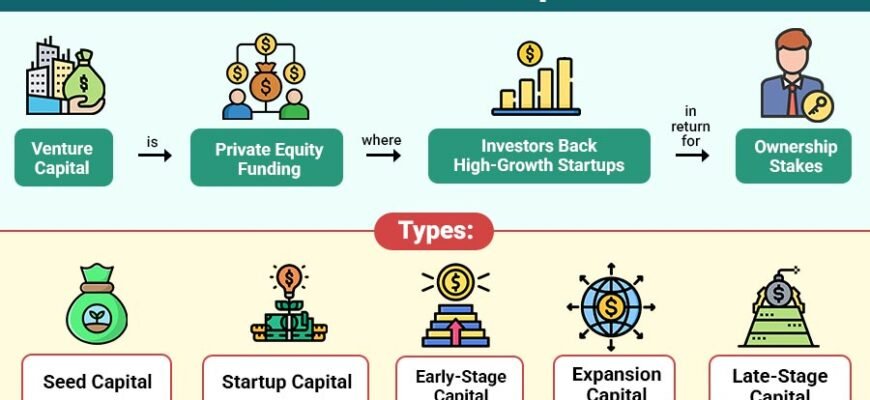
A venture capitalist (VC) is an investor who provides capital to startups or small companies with high growth potential in exchange for equity, or an ownership stake. The primary goal of venture capitalists is to invest in companies poised for rapid growth to generate substantial returns on their investments. As a critical component of the venture capital ecosystem, VCs can be individuals or organizations.
- Entrepreneurial Support: Venture capitalists often bring more than just capital to the table. They offer networking opportunities, management expertise, and strategic advice to help startups succeed.
- Risk Takers: Given that startups are inherently risky, VCs are particularly skilled at assessing and taking calculated risks.
- Equity Stake: The funding provided by VCs typically involves acquiring a share of the company, aligning their success with the business’s growth.
The Venture Capitalist Process
Venture capitalists follow a detailed process when deciding to invest in a company. This involves several stages:
- Deal Sourcing: Identifying potential investment opportunities through networks, industry events, and proposal submissions.
- Due Diligence: Assessing the viability of the startup by evaluating its business model, market potential, management team, and financial performance.
- Investment Decision: Once due diligence is complete, VCs decide whether to invest and negotiate terms such as equity percentage and involvement in company decisions.
- Value Addition: Post-investment, VCs often actively engage with the startup to enhance its growth trajectory through advice and connections.
- Exit Strategy: Planning the eventual exit from the investment to realize a return on investment, typically through an IPO or acquisition.
Types of Venture Capital
Different types of venture capital can be pursued based on the startup’s needs and growth stage:
- Seed Capital: Initial funding aimed at helping startups develop their business concept and prepare for future investment rounds.
- Early Stage Capital: Support provided to companies that have a strong foundation and are beginning to gain traction in their market.
- Growth Capital: Targeted investment for companies that have proven their business model and are looking to expand their reach.
| Stage | Funding Objective |
|---|---|
| Seed Capital | Develop business idea |
| Early Stage Capital | Scale operations |
| Growth Capital | Expand market presence |
How Venture Capitalists Evaluate Startups
Venture capitalists use specific criteria to assess whether a startup is a viable investment option:
- Market Potential: Evaluating the size and dynamics of the market the startup aims to serve.
- Business Model: Assessing the scalability and sustainability of the startup’s business model.
- Management Team: A strong and experienced team is crucial for executing the business plan successfully.
- Competitive Advantage: Unique selling points that distinguish the startup from its competitors.
Common Mistakes Made by Venture Capitalists
Even experienced venture capitalists can fall into traps that affect their investment success:
- Lack of Diversification: Over-concentration in a single sector or geography can expose VCs to high risk.
- Underestimating Challenges: Failing to foresee market and operational challenges can result in poor investment decisions.
- Neglecting Business Model Evaluation: Not thoroughly examining the startup’s business model can lead to unsuccessful investments.
The Price of Venture Capital
Venture capital does come at a price, typically in the form of equity dilution and sometimes, loss of control:
- Equity Dilution: Startups must relinquish a portion of their ownership to secure funding.
- Loss of Autonomy: Venture capitalists often demand a voice in strategic business decisions, which can limit founders’ control.
Venture Capitalists vs. Angel Investors
Venture capitalists are often confused with angel investors, but there are key differences:
- Investment Stage: Angel investors typically invest at the very early stages, often before VCs get involved.
- Funding Source: Angels use their own money, while VCs manage funds pooled from other investors.
- Amount of Investment: VCs typically invest larger sums compared to angel investors.
FAQs on Venture Capitalists
- What does a venture capitalist do? They provide funding and strategic support to startups with high growth potential.
- How do venture capitalists make money? They make money through exits such as IPOs or acquisitions.
- Why are venture capitalists important? They are crucial for financing innovation and helping startups scale their operations.
- How do you become a venture capitalist? Many start as financial analysts and gradually rise through the ranks by gaining experience.
- What are the risks of venture capital? The primary risks include market volatility and the high failure rate of startups.







