- Understanding the Meaning of Feasibility
- What is Feasibility?
- Types of Feasibility Studies
- How to Conduct a Feasibility Study
- Common Mistakes in Feasibility Studies
- Feasibility Study Examples
- Which Feasibility Type is Better Suited for Your Project?
- Is It Possible to Conduct a Feasibility Study In-house?
- The Price of Conducting a Feasibility Study
- Conclusion
- Frequently Asked Questions
Understanding the Meaning of Feasibility
The concept of feasibility is a crucial component in various fields, from business ventures to engineering projects. Understanding its meaning can guide decision-making processes and distinguish between potential success stories and likely failures. This article delves deep into the meaning of feasibility, explaining its significance, types, and applications.
What is Feasibility?
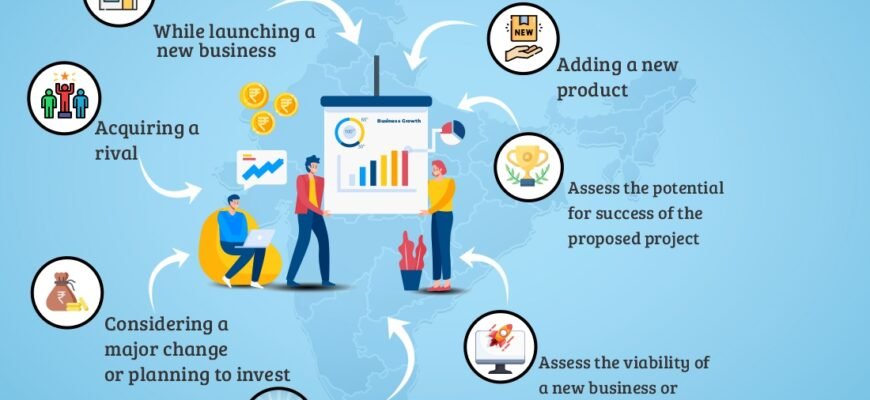
Feasibility is the measure of how viable or possible a project, proposal, or idea is. It assesses whether a task or project can be executed successfully within proposed timelines, budgets, and available resources. Feasibility studies play a pivotal role in determining whether an endeavor is worth pursuing.
Types of Feasibility Studies
- Technical Feasibility: Evaluates the technical resources available, including technology and skills necessary for project completion.
- Economic Feasibility: Analyzes the cost-effectiveness of a project, assessing if the benefits outweigh the costs involved.
- Legal Feasibility: Ensures that a proposed project complies with statutory regulations and legal obligations.
- Operational Feasibility: Considers whether the existing operations can support the execution of new projects or changes.
- Schedule Feasibility: Determines whether the timeline for completion is practical and achievable.
How to Conduct a Feasibility Study
- Define the Project Scope: Establish clear objectives, outlines, and requirements for the project.
- Conduct Preliminary Research: Gather data on existing markets, potential competitors, and resources.
- Evaluate Resource Availability: Assess financial, human, and technical resources needed for the project.
- Analyze Market Demand: Investigate the demand for the product or service, and how it fits into the market.
- Identify Potential Obstacles: Recognize risks and challenges that could hinder project success.
- Prepare a Financial Plan: Estimate costs, benefits, and potential profitability of the project.
- Review and Report: Compile findings into a detailed report to support decision-making.
Common Mistakes in Feasibility Studies
- Inadequate Research: Skipping thorough research can lead to overlooking critical facts.
- Bias in Analysis: Allowing personal opinions to influence data interpretation can distort results.
- Ignoring Competitors: Failure to consider competitive landscape may impact strategic planning.
- Poor Financial Projections: Overestimating revenues or underestimating costs can lead to inaccurate conclusions.
- Neglecting Legal or Regulatory Issues: Overlooking legal compliance might result in future impediments.
Feasibility Study Examples
Feasibility studies vary significantly between industries. For instance, a tech startup might focus on technical feasibility by assessing the readiness of an innovation, while a real estate project might delve into economic feasibility to evaluate profitability
| Feasibility Type | Real-World Example |
|---|---|
| Technical | A new app development company evaluating software capabilities. |
| Economic | Real estate analysis for a new shopping center. |
| Legal | A pharmaceutical company ensuring compliance with FDA regulations. |
| Operational | A hospital assessing operational changes to accommodate new equipment. |
| Schedule | Construction projects assessing timeline suitability for seasonal work. |
Which Feasibility Type is Better Suited for Your Project?
The type of feasibility study that fits your project best depends on the nature and scope of your endeavor. Large-scale infrastructure projects may require comprehensive analysis across all types, while a small business might prioritize economic and market feasibility.
Is It Possible to Conduct a Feasibility Study In-house?
Conducting a feasibility study in-house is possible if your team possesses the necessary expertise and resources. However, for more complex projects, outsourcing can provide unbiased perspectives and specialized knowledge.
The Price of Conducting a Feasibility Study
The cost of a feasibility study can vary widely based on the project’s complexity, industry, and whether it is conducted in-house or by consultants. Small-scale studies might cost a few thousand dollars, while extensive evaluations for large projects could cost much more.
Conclusion
Feasibility is a crucial first step in turning ideas into actionable projects. Understanding its meaning, types, and applications can help ensure successful outcomes and minimize risks. Conduct a feasibility study wisely to make informed, strategic decisions.
Frequently Asked Questions
- What is a feasibility study?
A feasibility study is an analysis conducted to determine if a project is viable, assessing technical, economic, legal, operational, and schedule feasibility. - How do you conduct a feasibility study?
Conducting a feasibility study involves defining scope, conducting research, evaluating resources, analyzing demand, identifying obstacles, estimating finances, and compiling findings into a report. - Which feasibility type is most important?
This depends on the project. For technology projects, technical feasibility may be crucial, while economic feasibility is essential for projects focused on profitability. - Can feasibility studies be done by individuals?
Feasibility studies can be conducted by individuals with expertise, but large or complex projects may benefit from consulting with experts. - What are common mistakes in feasibility studies?
Common mistakes include inadequate research, bias in analysis, ignoring competitors, poor financial projections, and neglecting legal aspects.
json







